
Vintage Aesthetics: The Trend That Never Fades
Vintage fashion goes beyond simply wearing old clothing – it honours history, artistry, and personal expression. In an age where fast fashion trends come and go rapidly, vintage style stands out as a meaningful and sustainable alternative. From the refined silhouettes of the 1920s to the vibrant patterns of the 1970s, it offers today’s wearers a way to embrace the beauty and spirit of past generations.
What Is Vintage Fashion?
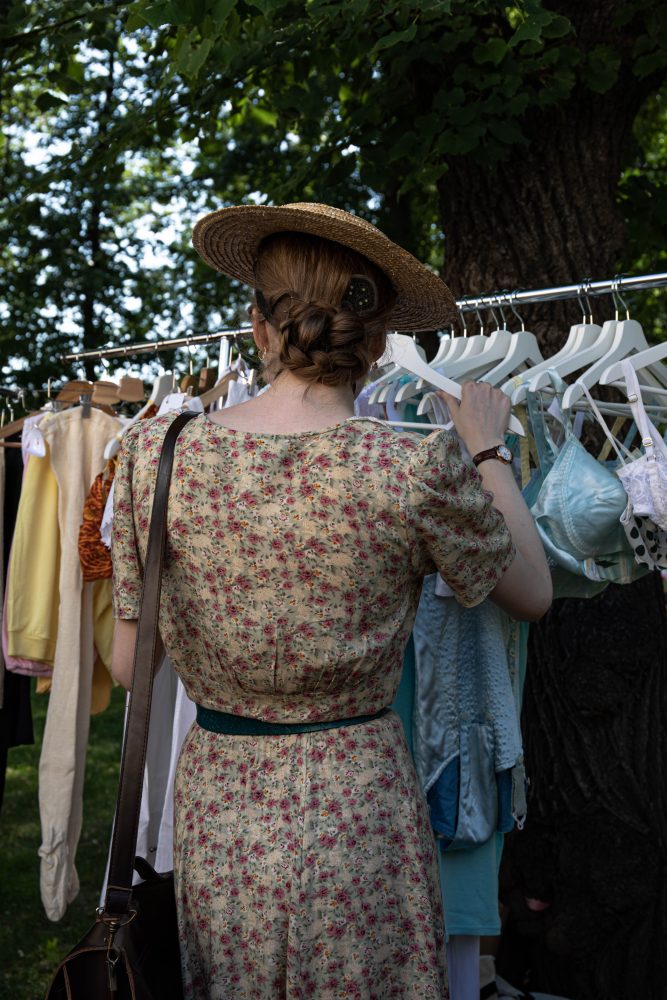
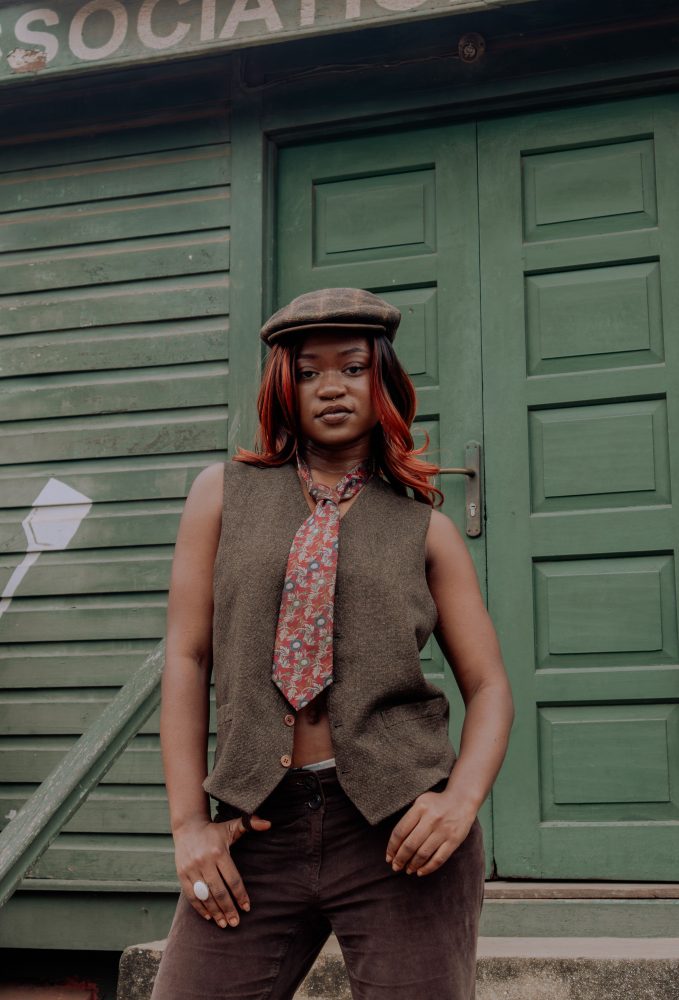
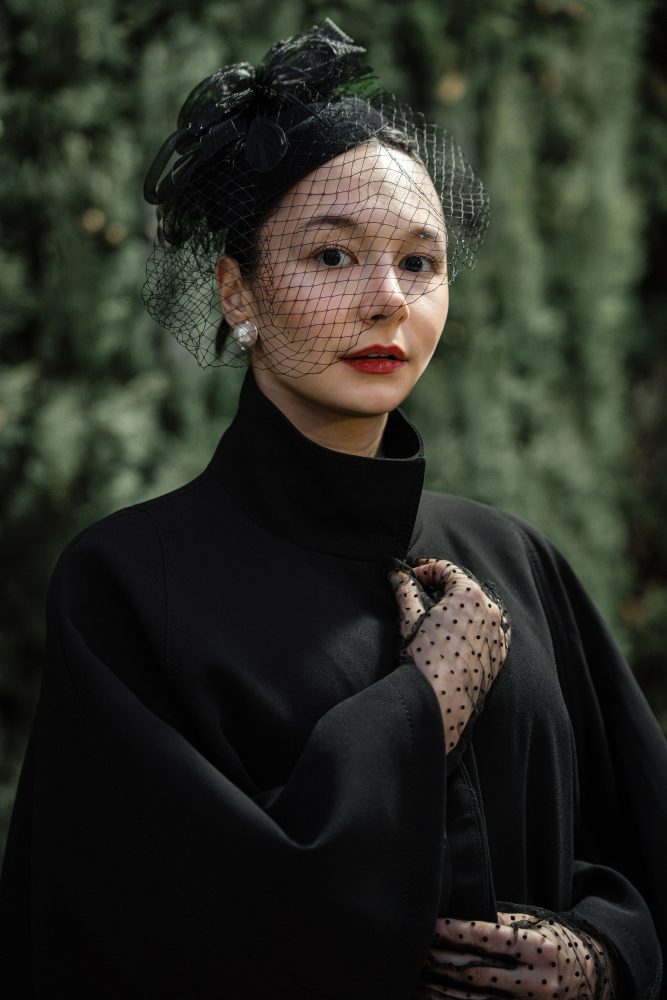
The term “vintage” typically refers to clothing that is at least 20–30 years old, representing a specific period in fashion history. Unlike antiques, which are often over 100 years old, vintage pieces are still wearable and often influence contemporary design. Their unique character comes from the materials, craftsmanship, and cultural stories woven into each garment – qualities rarely found in modern mass production.
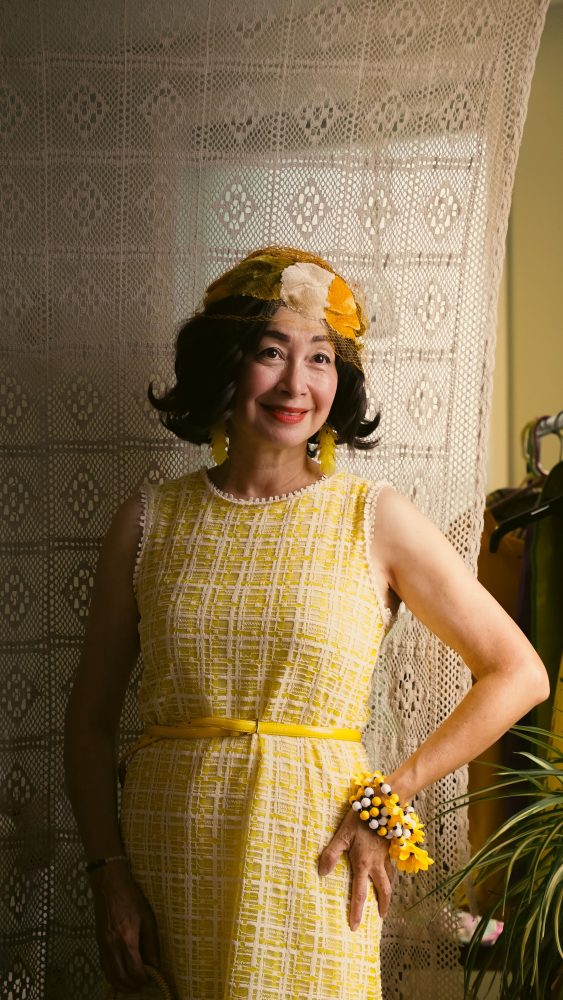
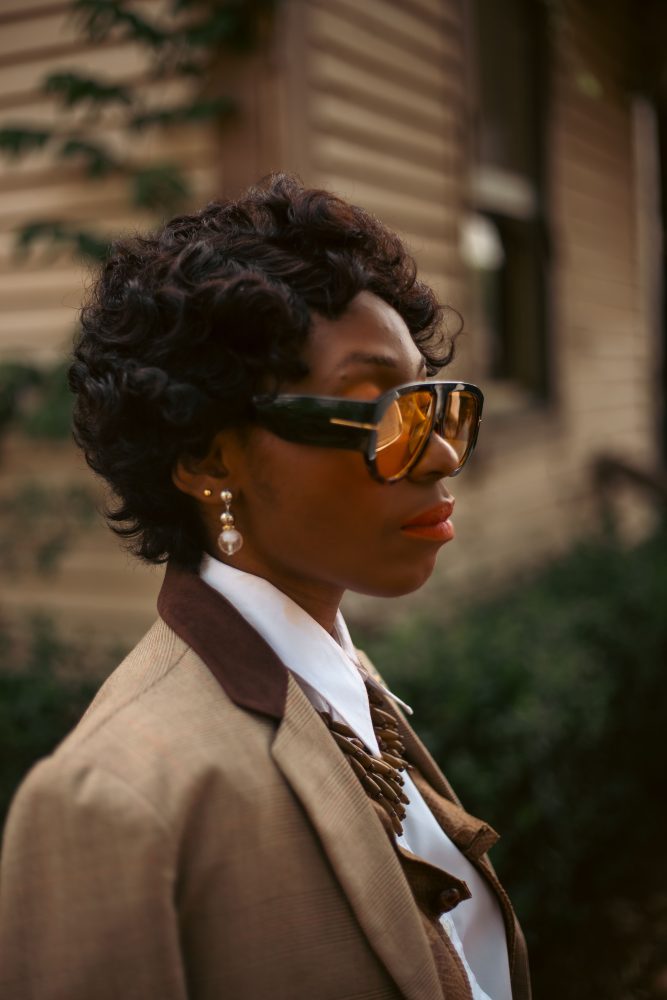
Every decade leaves behind its own sartorial fingerprint, reflecting shifts in society, politics, and identity. Consider this timeline below as your chic time-travel guide through iconic vintage eras:
1920s – The Roaring Twenties
A dazzling decade of rebellion and liberation. Flapper dresses shimmered with beadwork, while dropped waistlines redefined femininity. Fashion became a statement of freedom – bold, playful, and unapologetically modern.
1940s – Wartime Elegance
With fabric rationing in full force, style turned practical yet refined. Structured tailoring, sharp shoulders, and understated silhouettes proved that elegance could flourish even in times of restraint.
1950s – The Golden Age of Glamour
A return to romance and refined femininity. Cinched waists, voluminous skirts, and polished ensembles channelled Hollywood’s golden era – think grace, poise, and undeniable star power.
1960s – Mod Revolution
Youth took the spotlight, and fashion followed suit. Mini skirts, graphic prints, and bold colour palettes defined a decade of experimentation, energy, and fearless self-expression.
1970s – Bohemian Spirit
Free-spirited and eclectic, the ’70s embraced individuality. Flared trousers, flowing silhouettes, and vibrant patterns mirrored a culture rooted in creativity and rebellion.
1980s – Power & Excess
More was more. From oversized silhouettes to electric hues, the ’80s thrived on drama. Power dressing ruled, with sharp tailoring and statement pieces commanding attention in every setting.
Why Vintage Fashion Matters Today
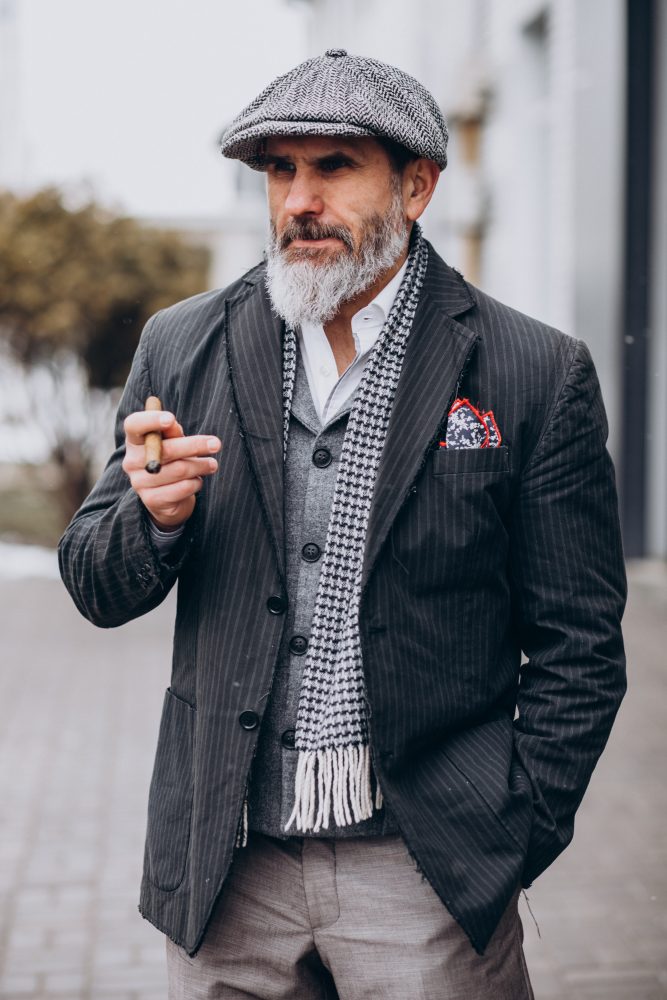
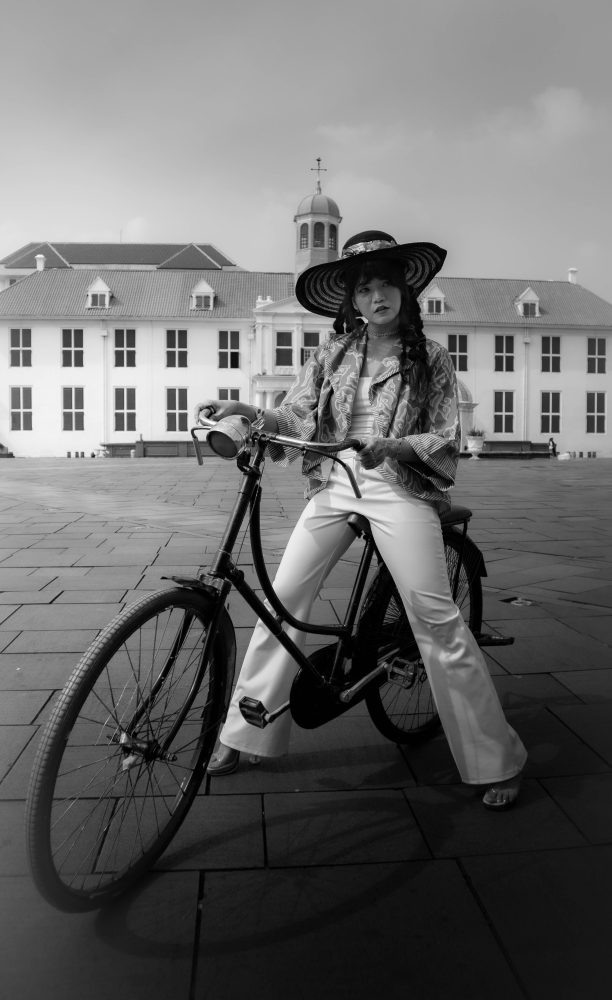
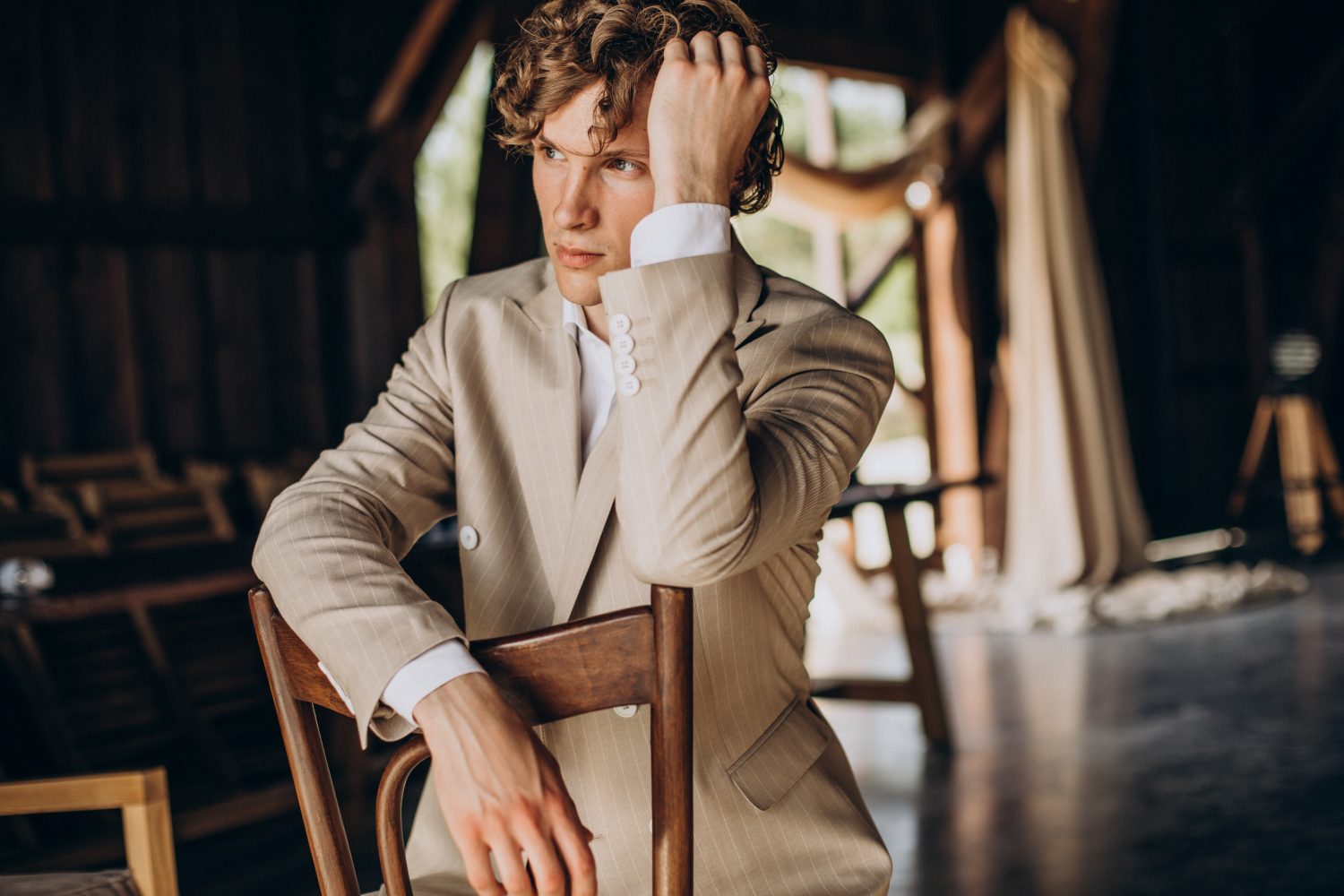
Embracing vintage fashion doesn’t mean dressing entirely in pieces from the past. The secret lies in creating balance – allowing a vintage item to stand out while pairing it with modern elements for a fresh, contemporary look. Here are some easy ways to incorporate vintage fashion into your everyday wardrobe:
- Blend classic and contemporary: Combine a vintage blouse with your favorite modern jeans, or style a timeless blazer with sleek, current accessories.
- Start small with accessories: Vintage jewelry, handbags, scarves, or belts can instantly add personality and charm to an outfit without overpowering it.
- Choose a standout piece: A striking vintage coat, dress, or jacket can become the focal point of your ensemble and make a memorable style statement.
- Tailor for a modern fit: Simple alterations can refresh vintage garments, enhancing their silhouette while preserving their unique character and appeal.
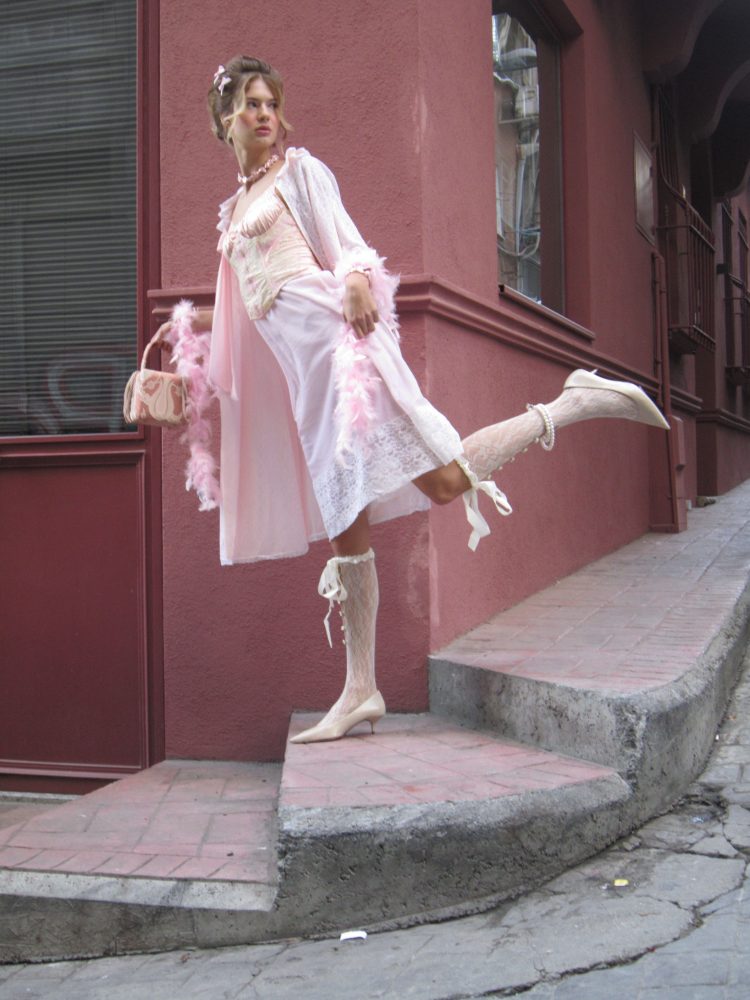
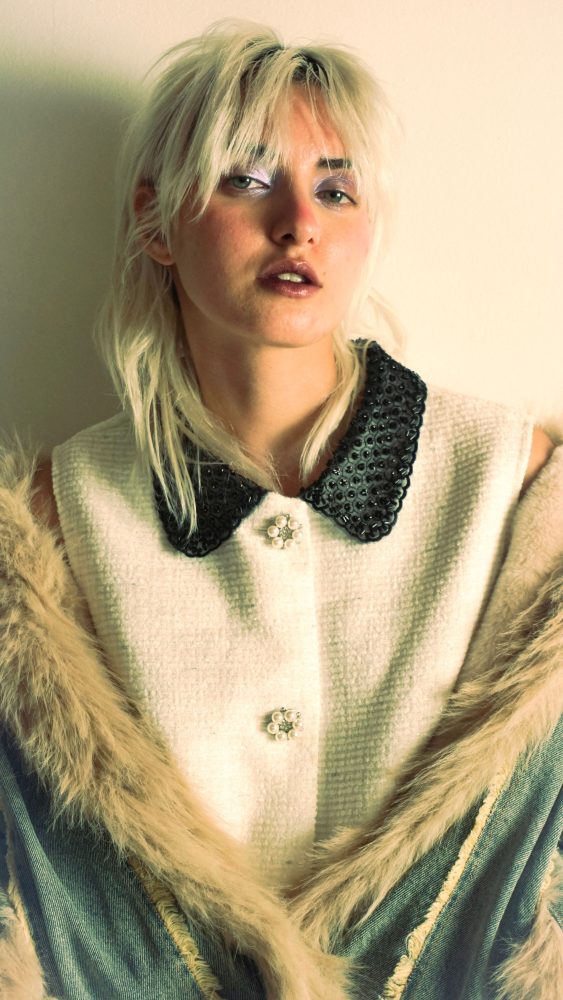
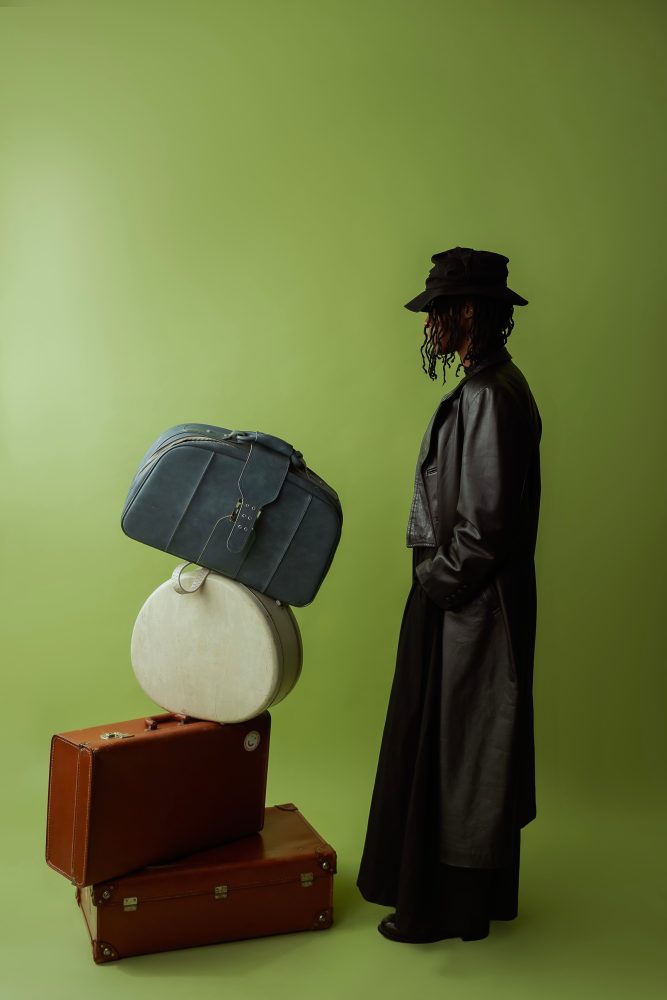
Vintage fashion is more than a passing trend – it is a meaningful way to connect the elegance of the past with the style of the present. It celebrates craftsmanship, promotes sustainable fashion choices, and encourages self-expression. By incorporating vintage pieces into modern wardrobes, we create looks that are distinctive, timeless, and rich with personality. Rather than looking back, we are redefining the future of fashion with authenticity, creativity, and a touch of nostalgic charm.
