Following the Silk Road: Markets, Desert Roads and Timeless Cities
For years, I had dreamed of following the ancient Silk Road, imagining the caravans that once crossed the Karakum and Kyzyl-Kum deserts, carrying silk, spices, and other precious goods between East and West. When I finally had the opportunity to visit Uzbekistan, I knew I wanted to explore its legendary Silk Road cities: Samarkand, Bukhara, and Khiva. What attracted me just as much was the unique atmosphere of the Silk Road itself — the chance to wander through centuries-old markets, sip tea in shaded courtyards, travel across vast desert landscapes, and experience places where cultures, traditions, and people from different parts of the world have met and mingled for centuries.
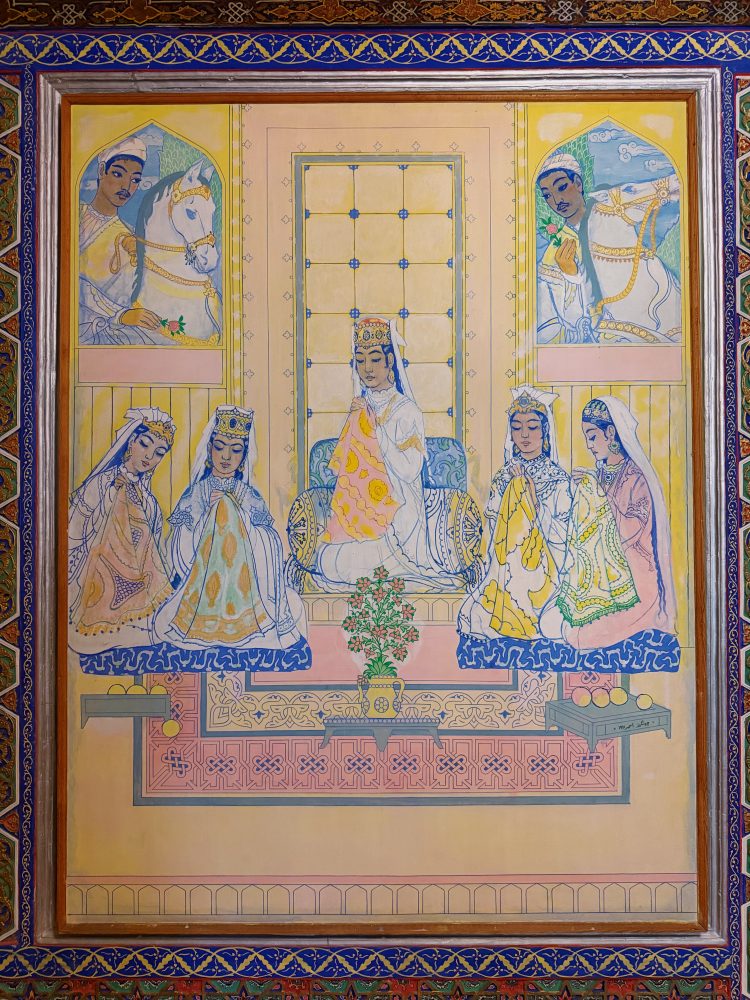
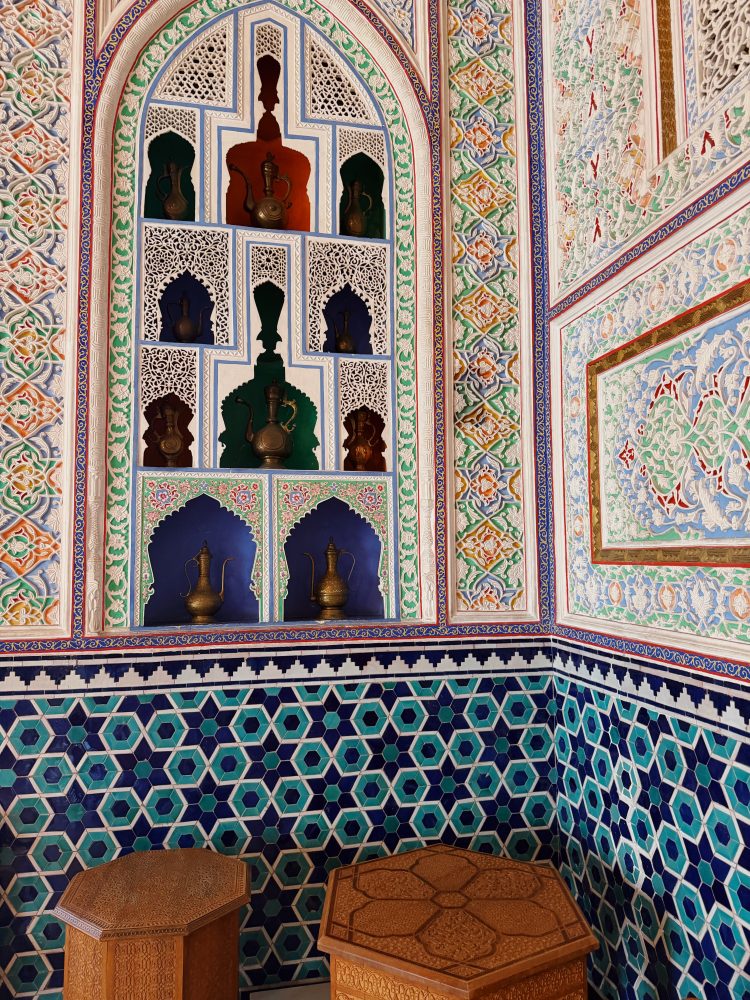
Samarkand
Our journey through Uzbekistan began in Samarkand, a city that had long captured my imagination with its rich history and Silk Road heritage. Traveling there with my boyfriend made the experience even more memorable. From the moment we arrived, we were surrounded by stunning architecture and a unique atmosphere that felt both ancient and vibrant.
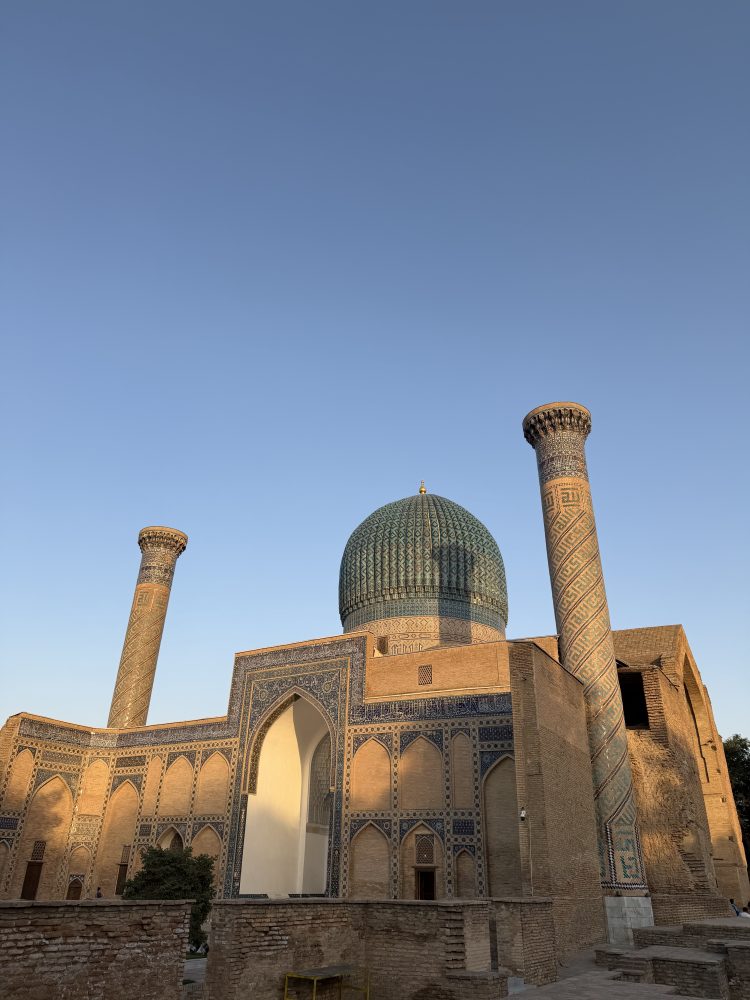
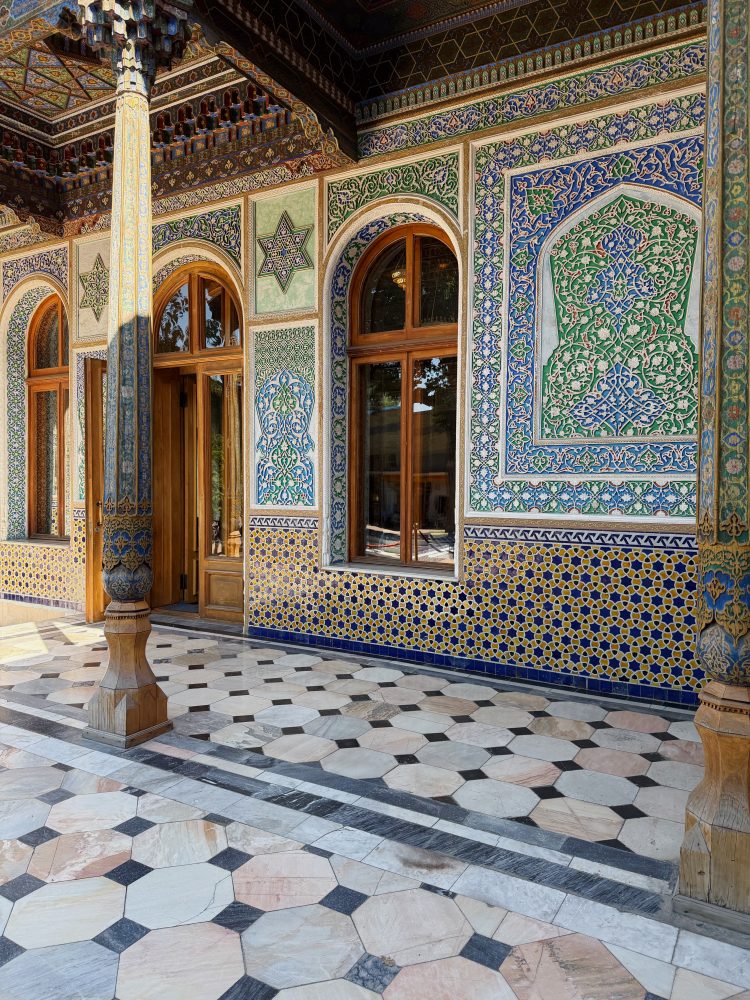
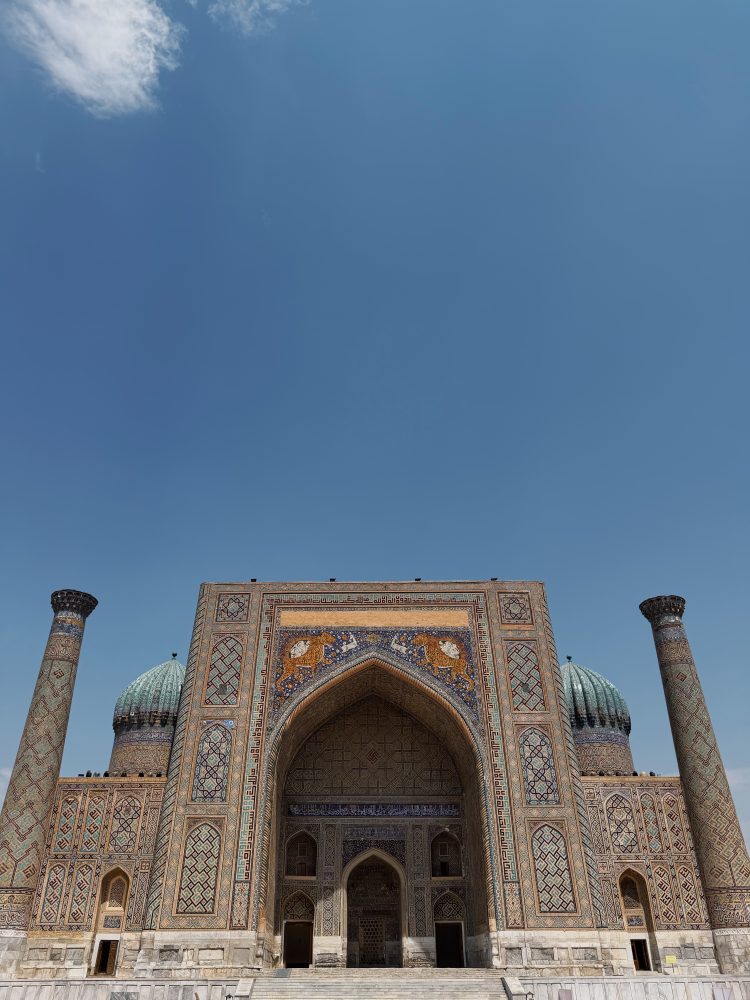
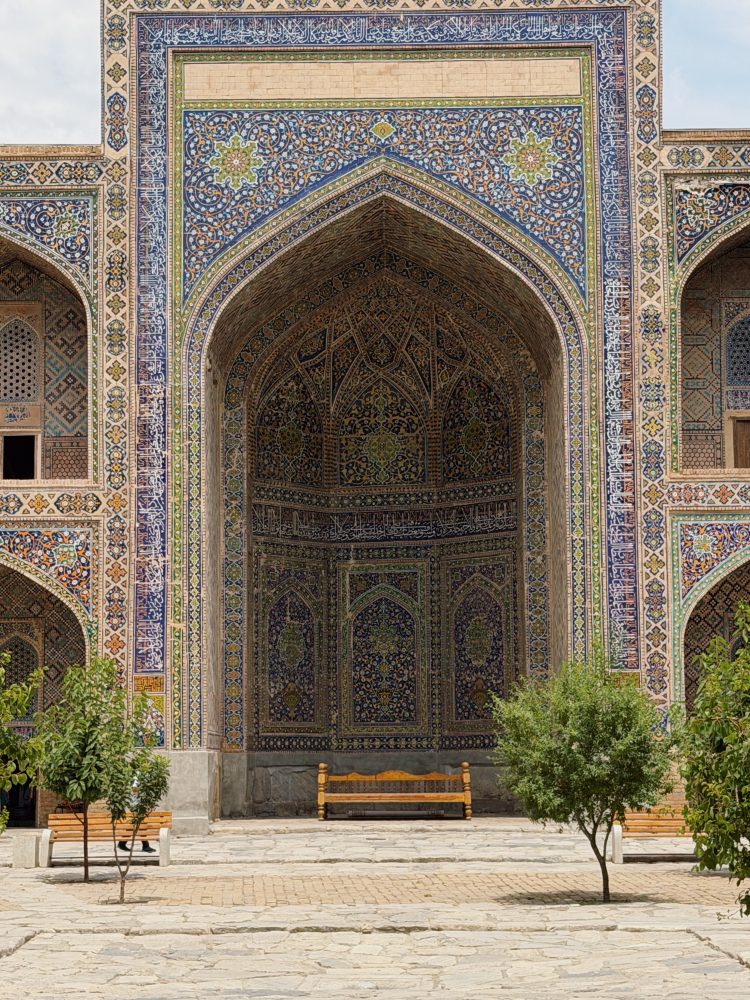
The most unforgettable part of our visit was Registan Square. Seeing this iconic landmark in person was far more impressive than any photograph could capture. The three magnificent madrasas, decorated with intricate blue and turquoise mosaics, dominated the square with their beauty and grandeur. As the sunlight illuminated the colourful tiles, the entire complex sparkled, creating a truly magical scene.
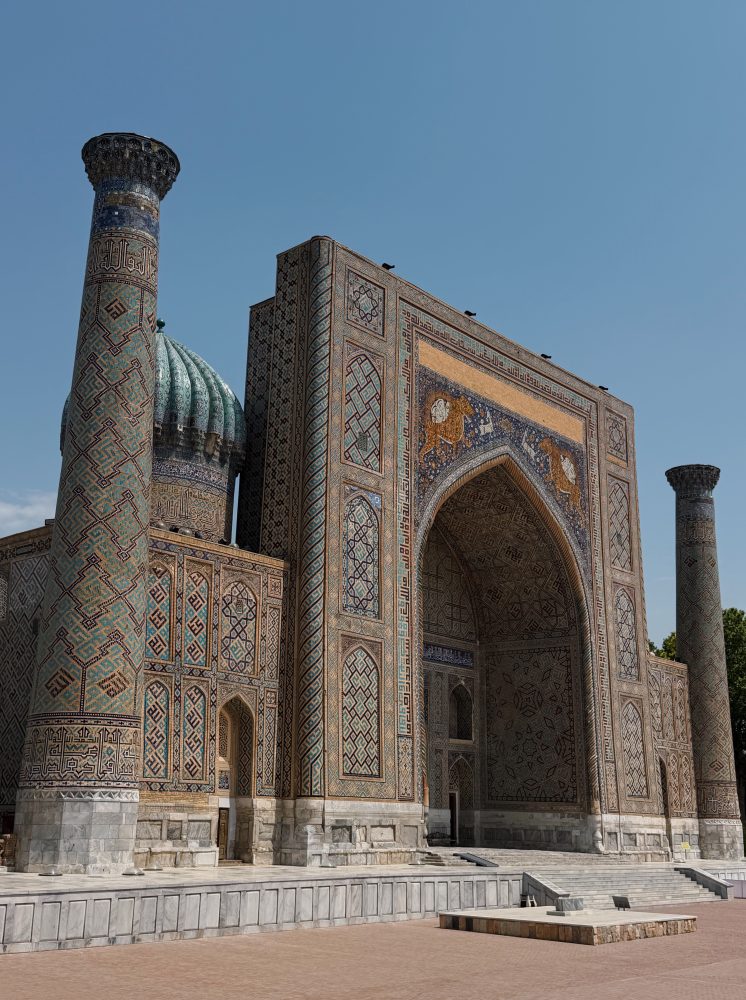
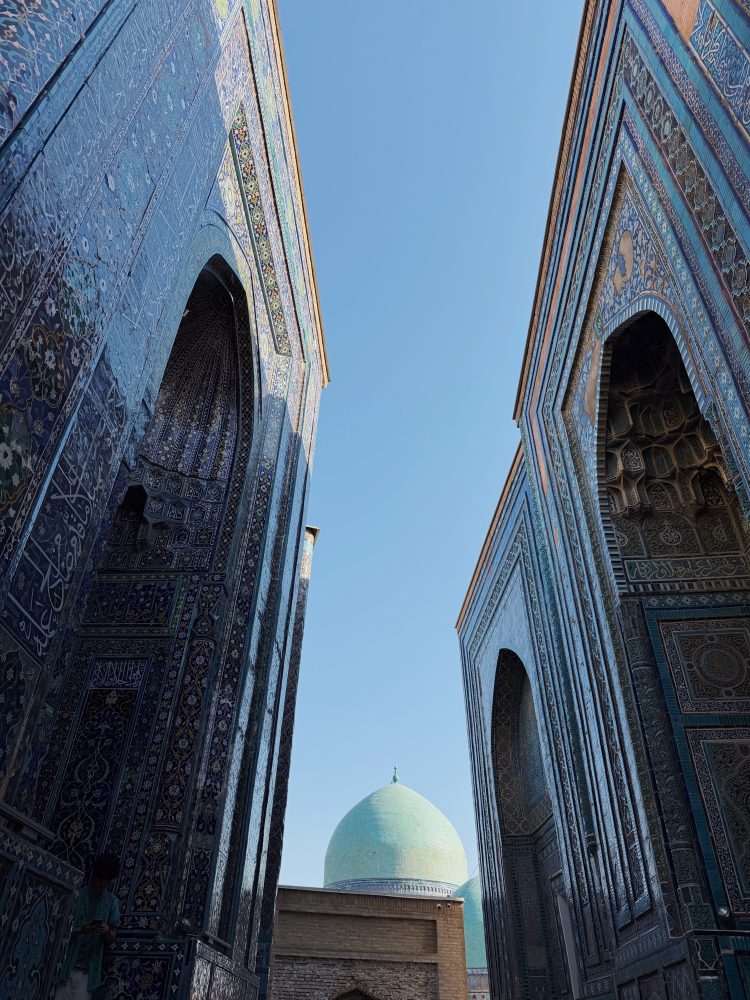
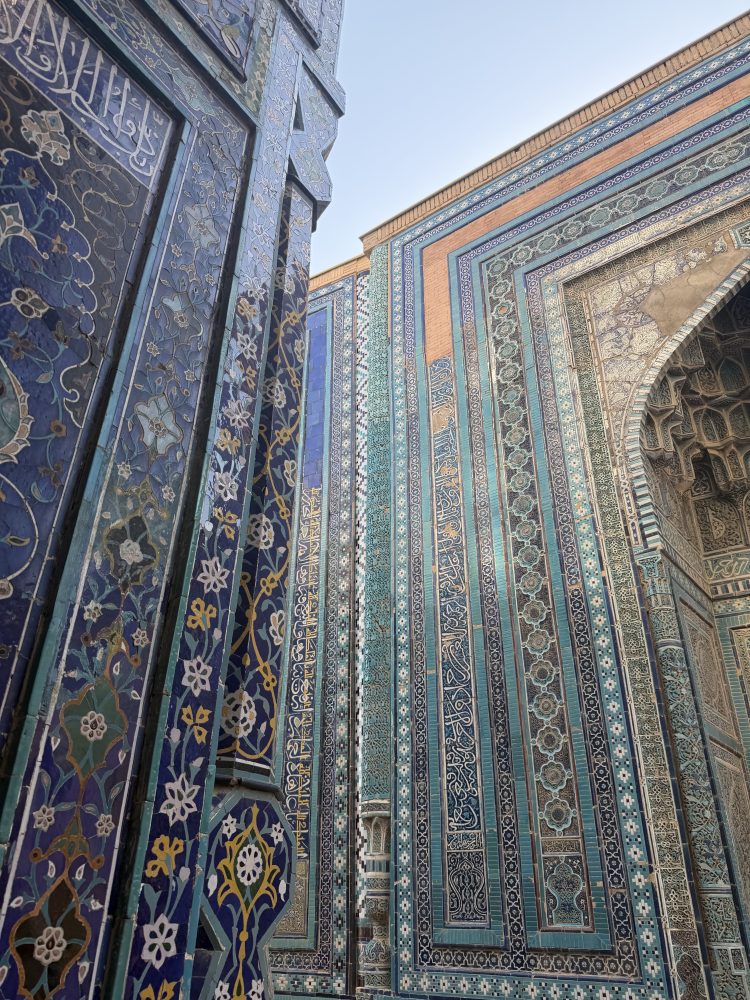
We also visited Shah-i-Zinda, a spectacular avenue of mausoleums known for its remarkable architecture and deep spiritual significance. Walking along its narrow pathways, we admired the exquisite tilework that covered nearly every surface. Each monument had its own story, and learning about the site’s history gave us a deeper appreciation for the generations of pilgrims and visitors who had passed through these sacred grounds over the centuries.
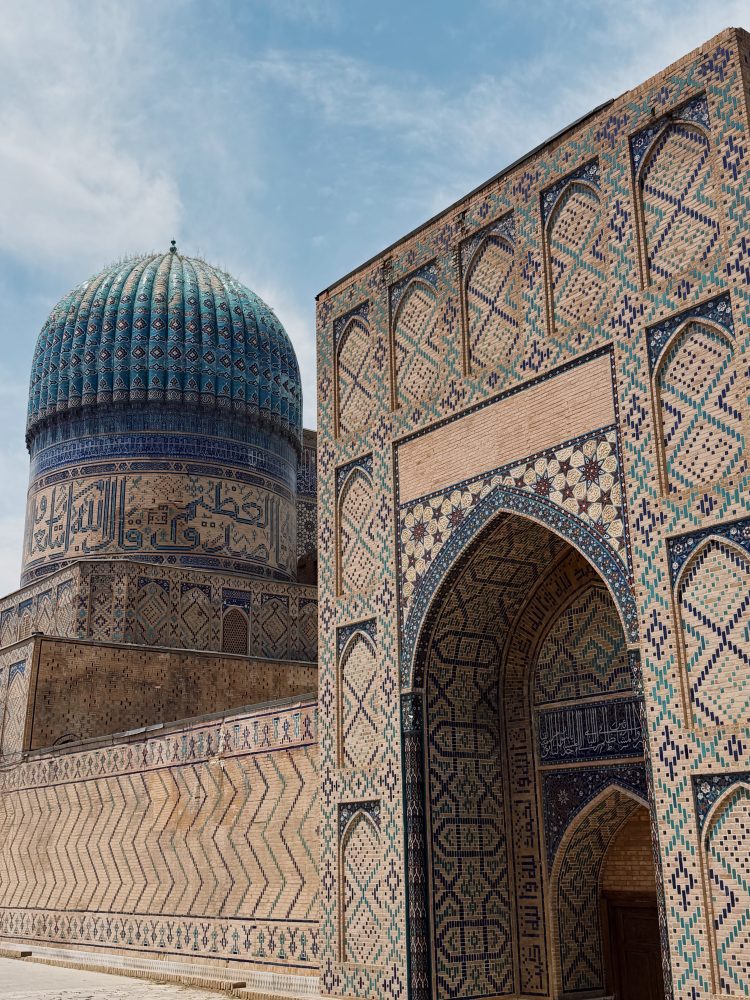
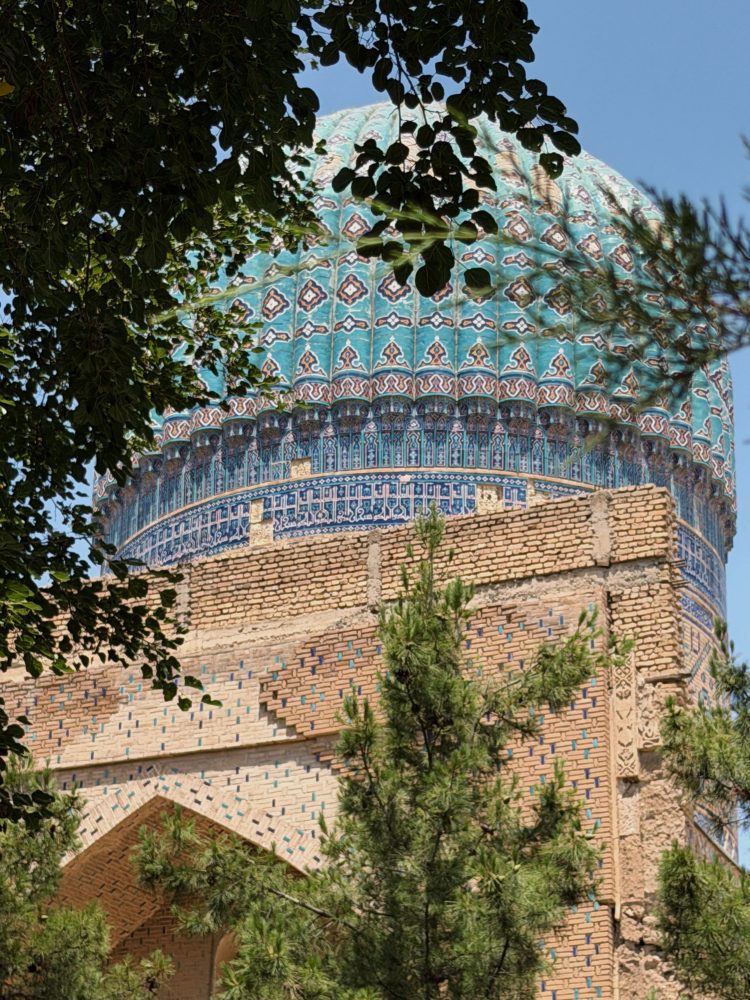
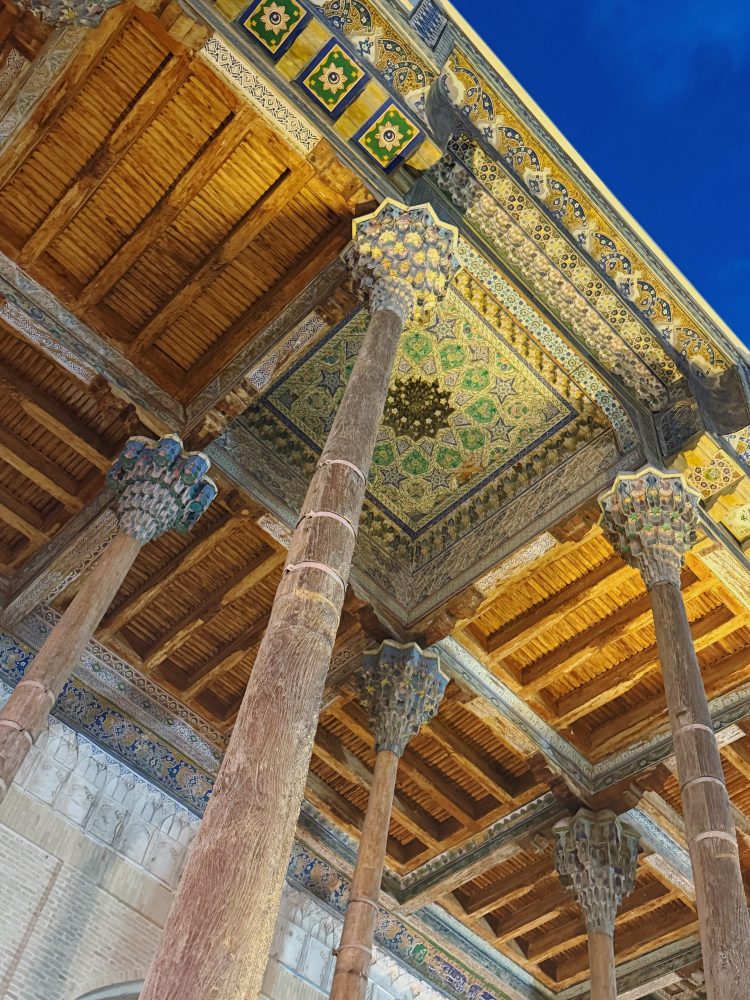
Another highlight was the Bibi-Khanym Mosque, one of the city’s most famous architectural treasures. As we stepped into its enormous courtyard, we were struck by the sheer scale of the building and the elegance of its design. Discovering that it was commissioned by Timur added another layer of interest to the visit. Even after centuries, the mosque continues to stand as a remarkable testament to Samarkand’s historical importance and architectural achievement.
Bukhara
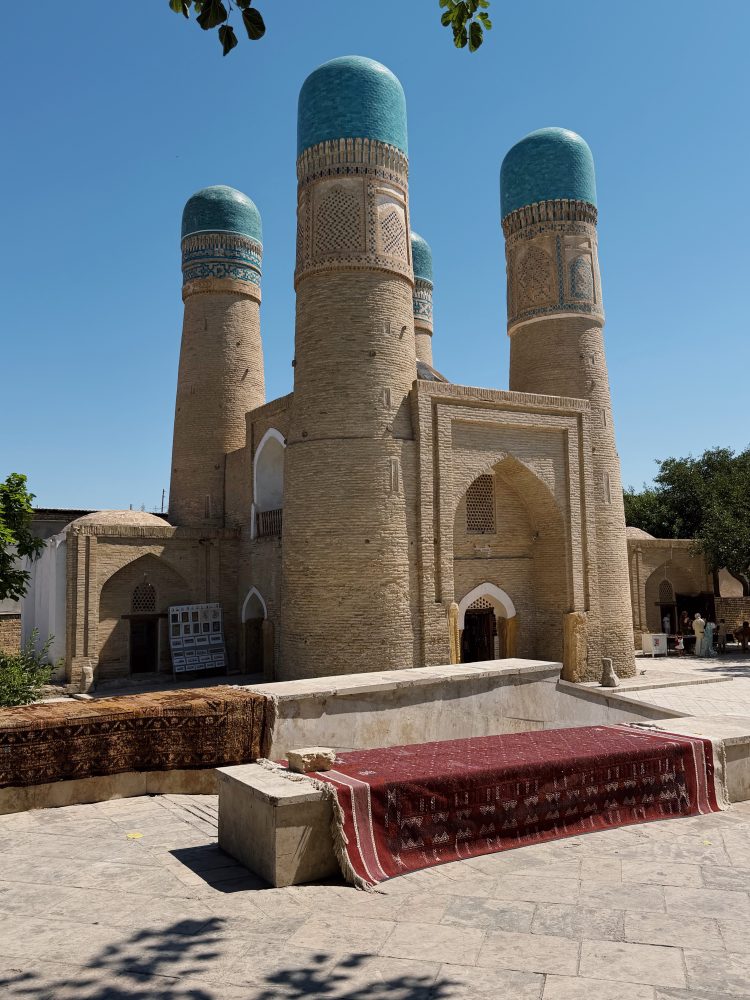
After Samarkand, we continued our journey to Bukhara, and from the moment we arrived, the atmosphere felt entirely different. Life seemed to move at a gentler pace, and the city carried an authenticity that was impossible to ignore. Strolling through the old town felt like stepping into another era.
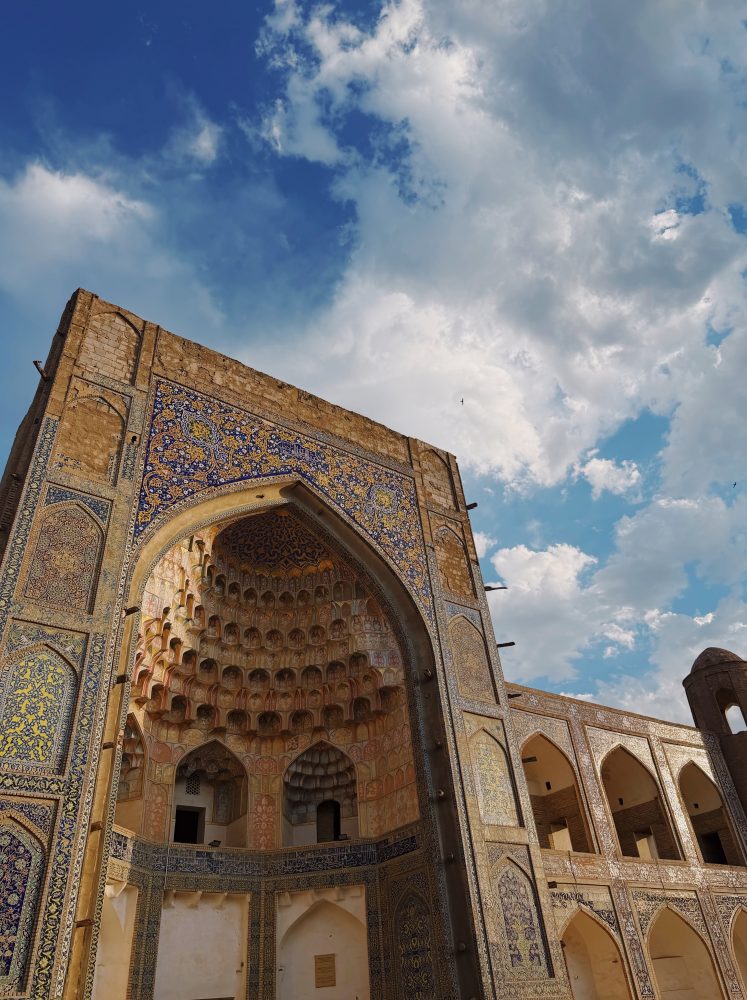
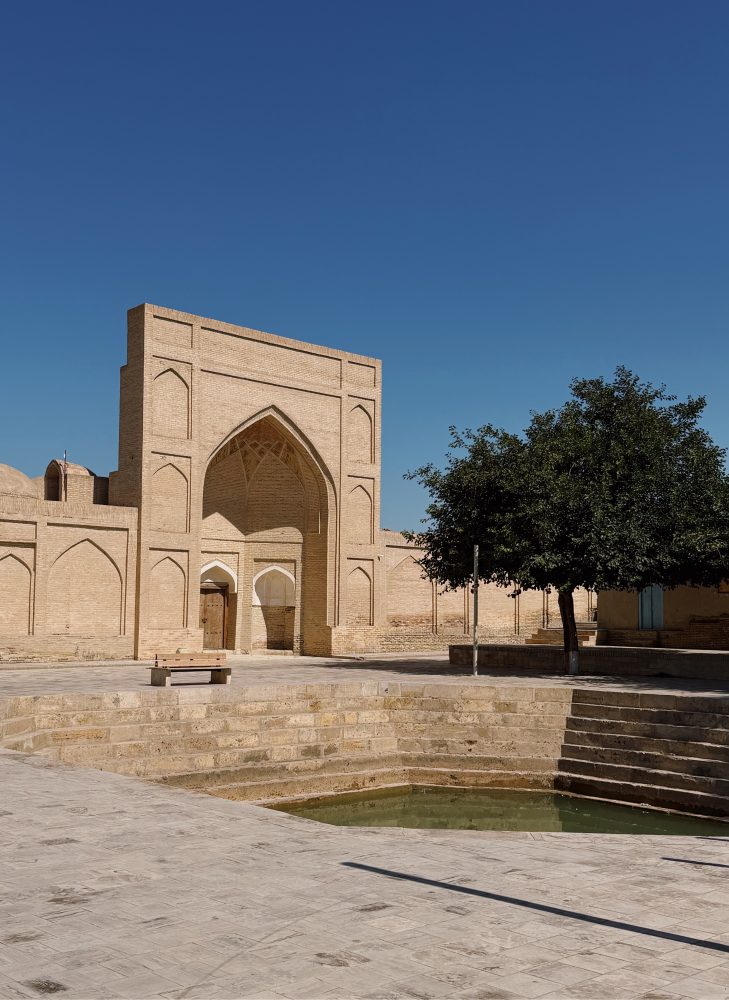
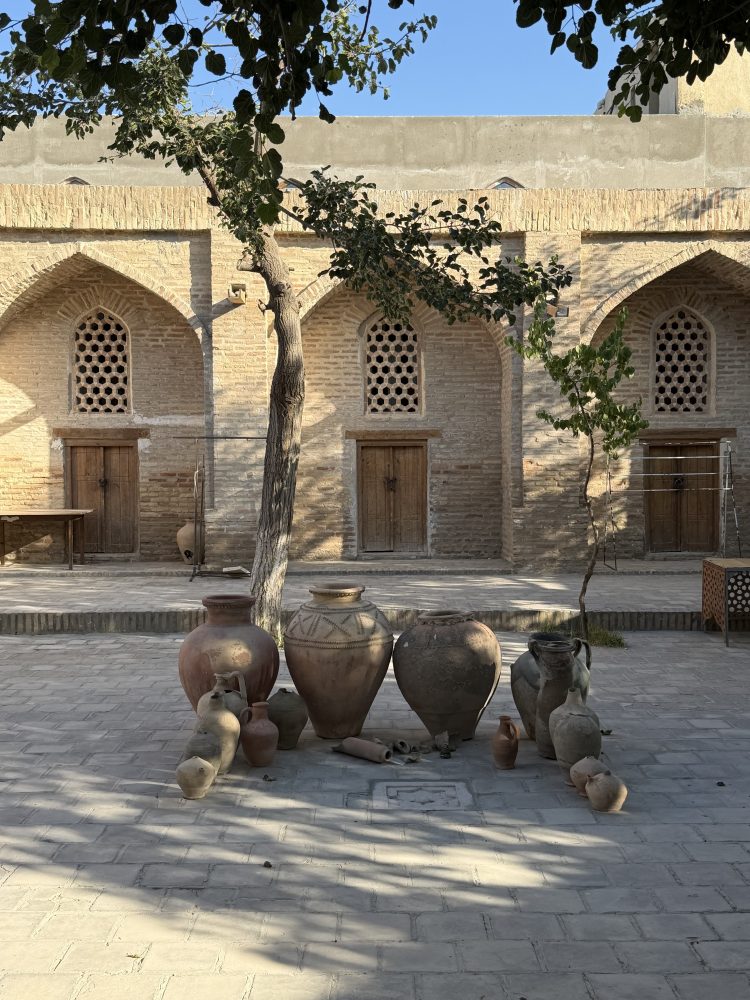
Although Bukhara’s remarkable architecture and historic landmarks give it the appearance of an open-air museum, what impressed me most was how vibrant and lived-in it remains. People still gather, work, and go about their daily lives in spaces that have existed for centuries. One of our favorite evening activities was visiting a lively square where local musicians performed, drawing residents and visitors together to dance and celebrate.
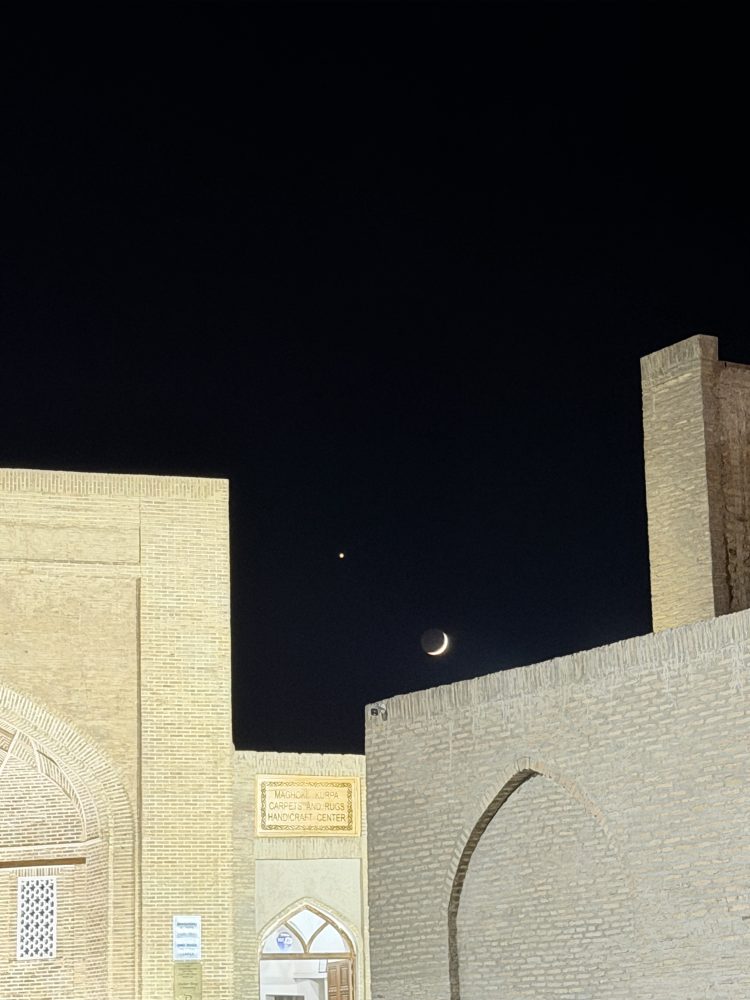
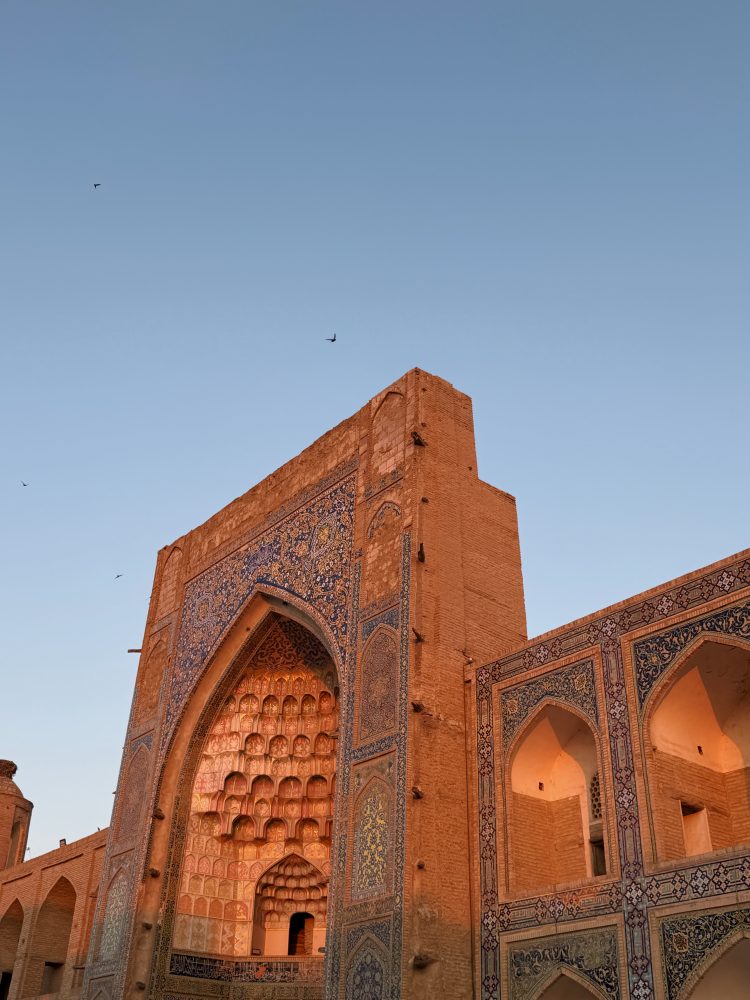
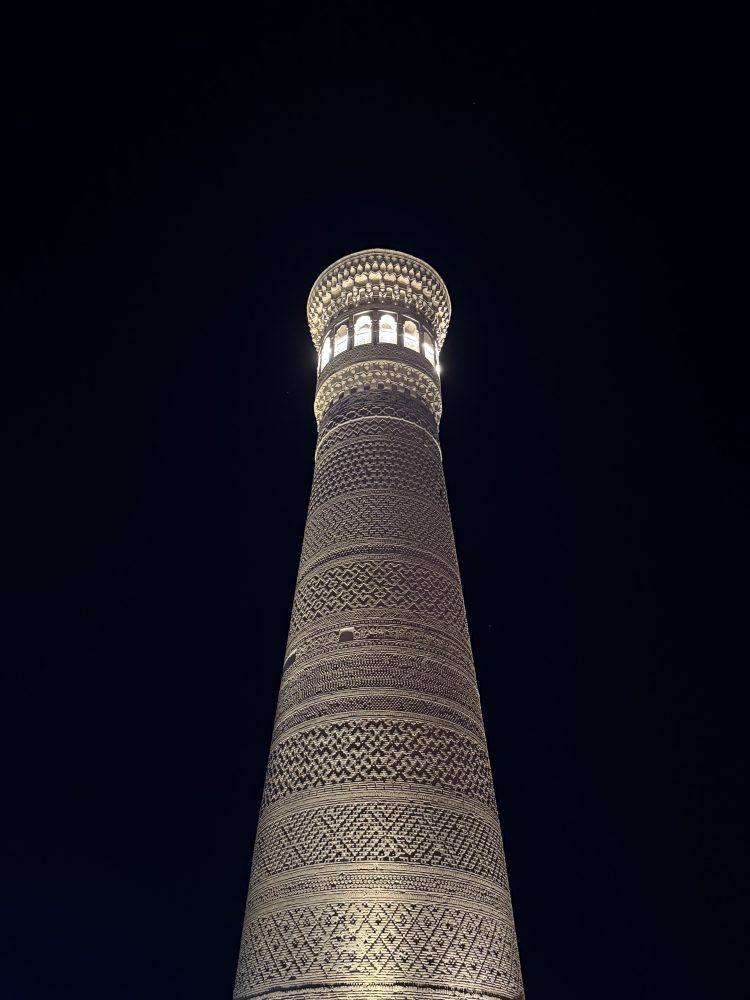
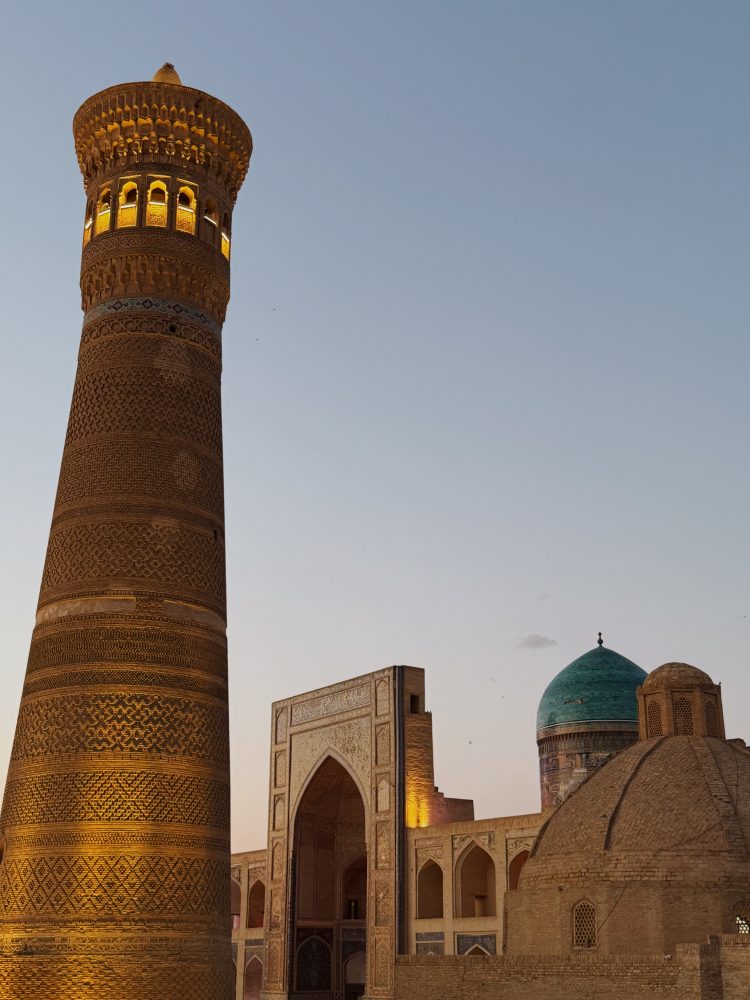
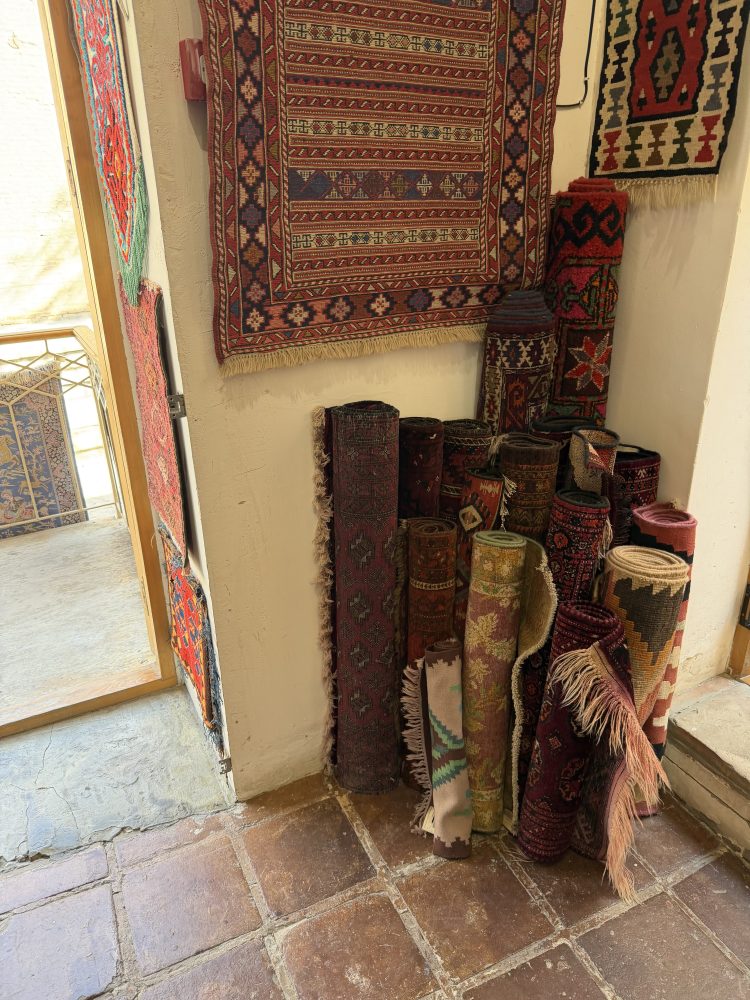
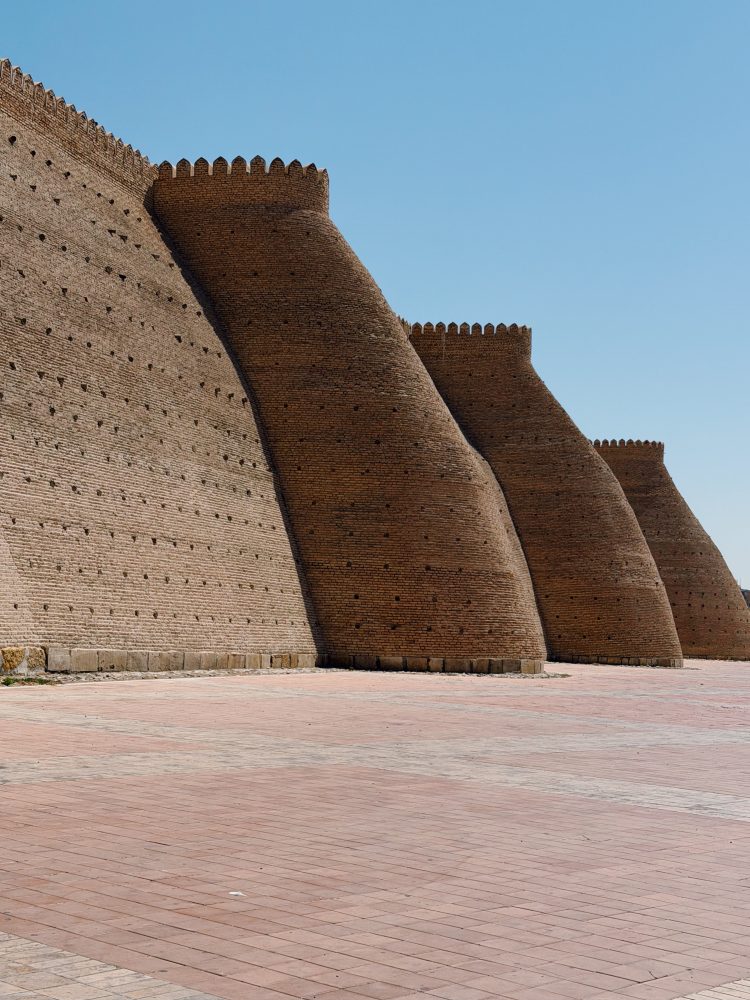
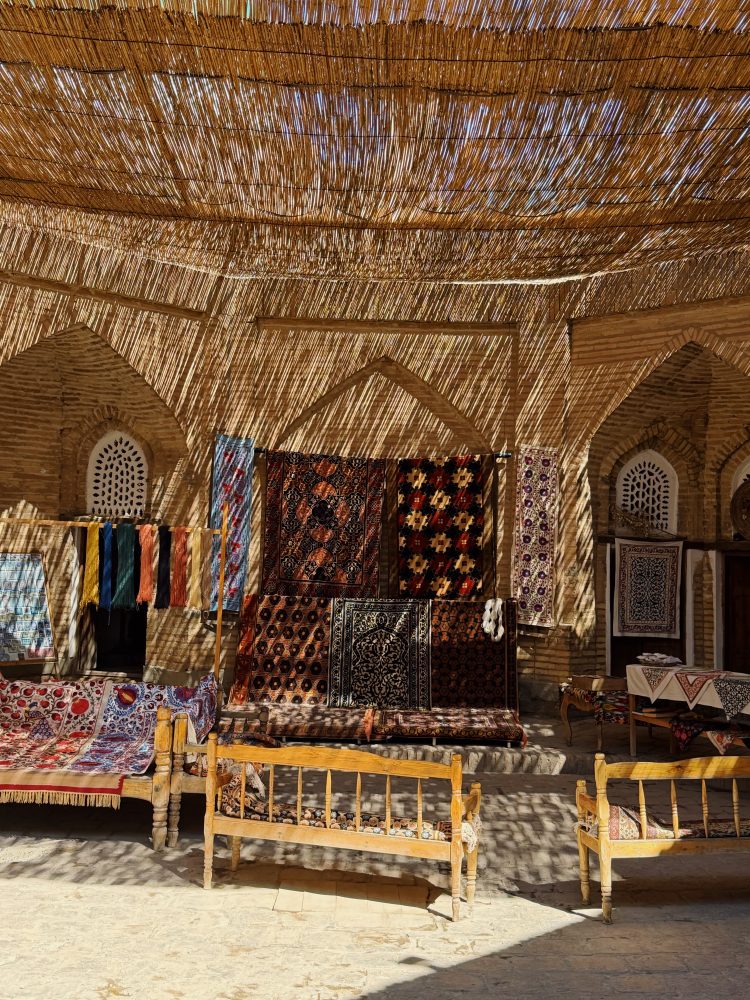
Exploring the magnificent Ark Fortress and standing beneath the iconic Kalyan Minaret made it easy to imagine Bukhara at the height of its importance along the Silk Road. As I wandered through the ancient trading domes, I found myself picturing caravans arriving from far-flung parts of Asia, carrying not only goods but also stories, traditions, and ideas. In those moments, the city’s long and fascinating history felt remarkably close. At times, it seemed to come alive through the treasures we encountered, whether a beautifully crafted silk scarf, a delicate silver bracelet, or a handwoven carpet carrying centuries of tradition.
Khiva
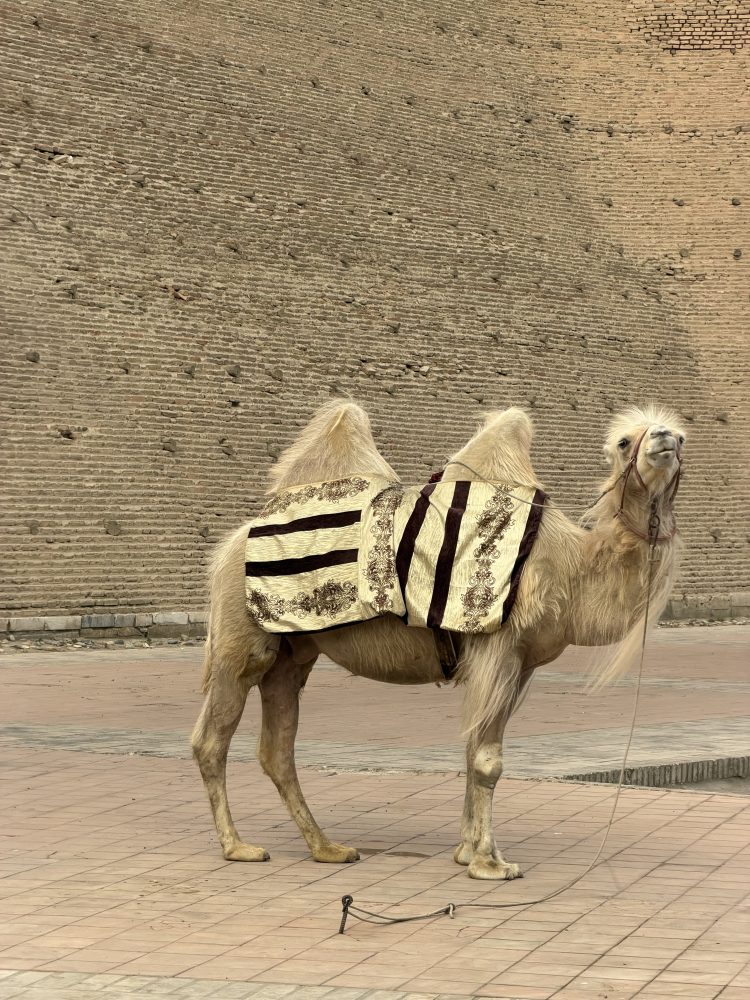
The final destination on my Silk Road adventure was Khiva, and while Samarkand left me in awe and Bukhara captured my heart, Khiva made me feel as though I had stepped directly into the past, and literally into a desert land.
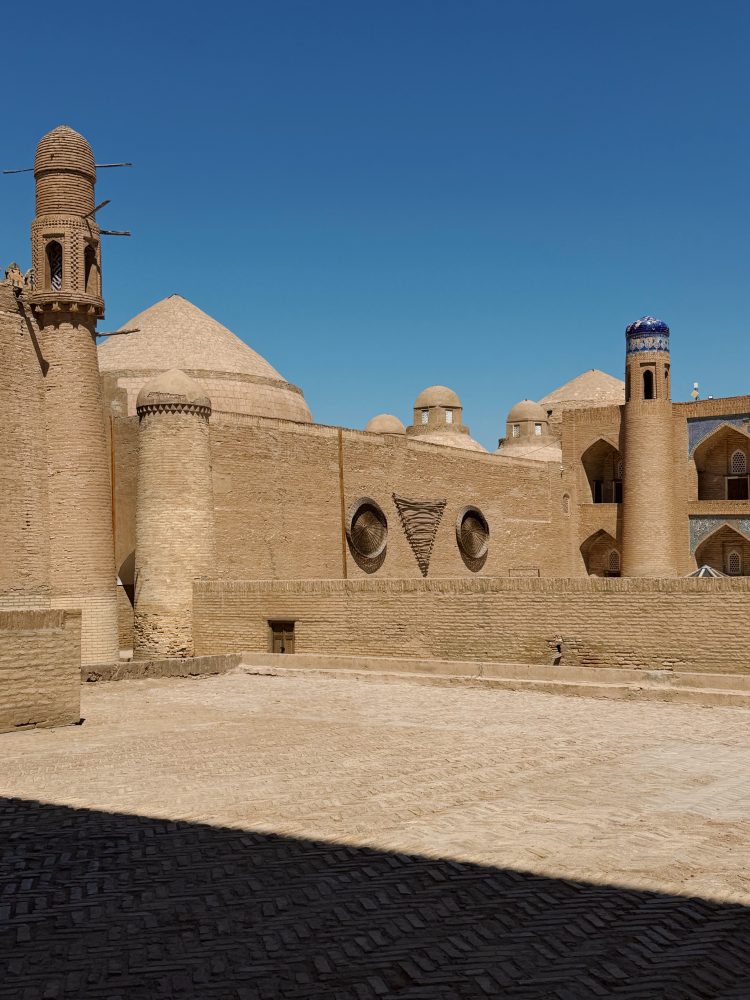
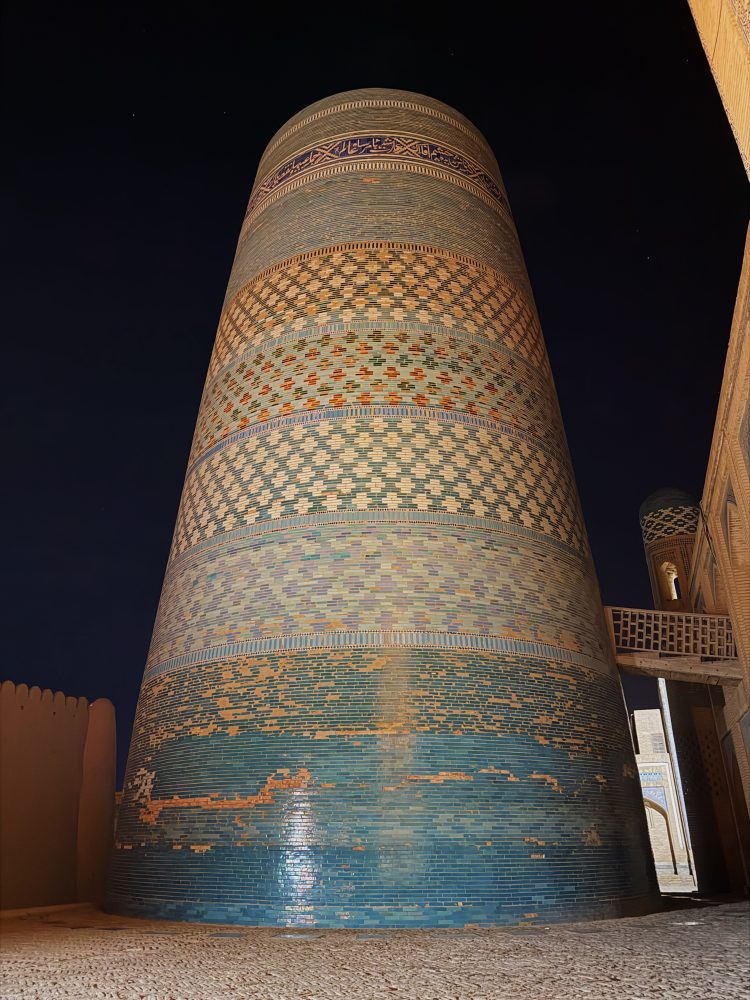
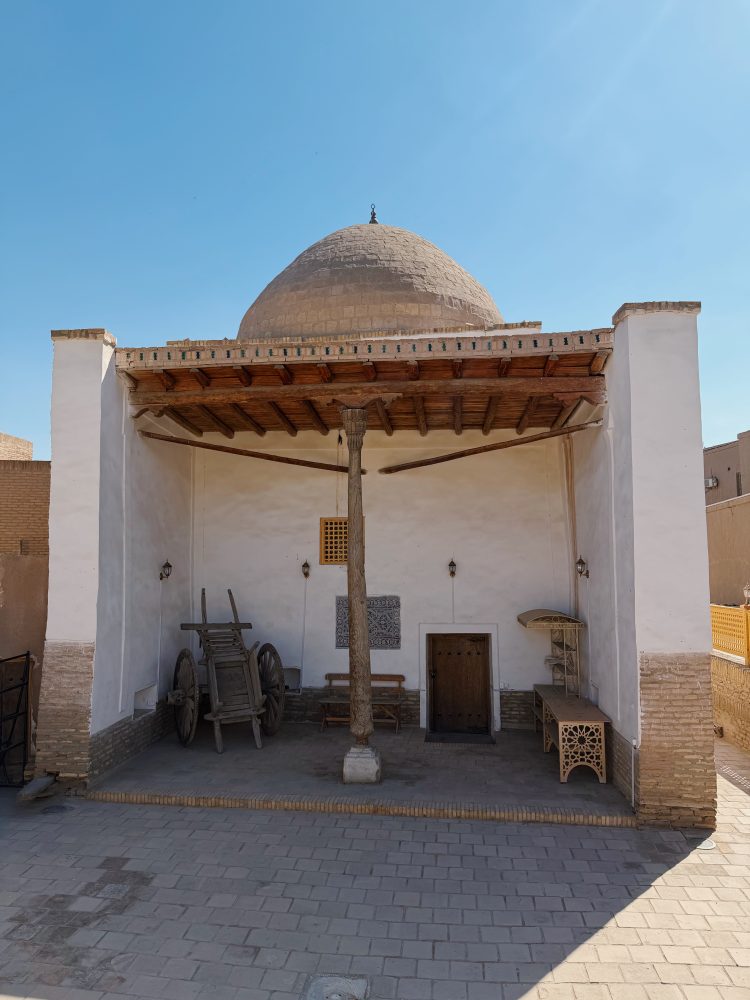
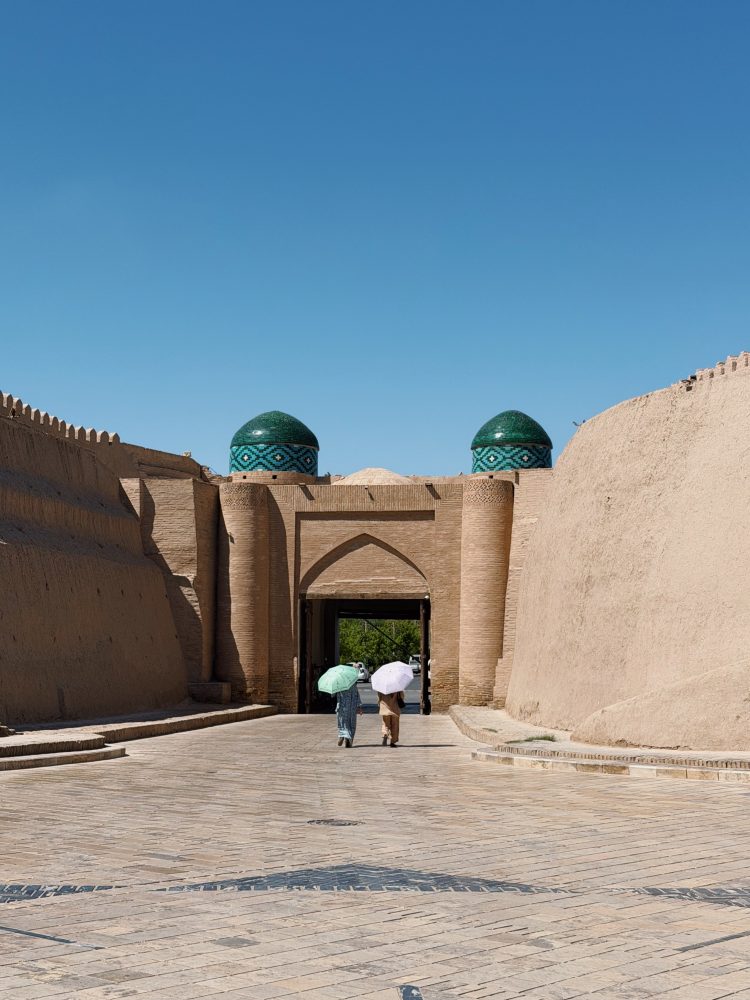
Walking through Itchan Kala, the city’s historic walled center, was like entering a living museum. Surrounded by ancient clay walls, winding alleyways, and centuries-old minarets, I felt immersed in a world that had changed very little over time. Around every turn, there was another hidden treasure waiting to be discovered.
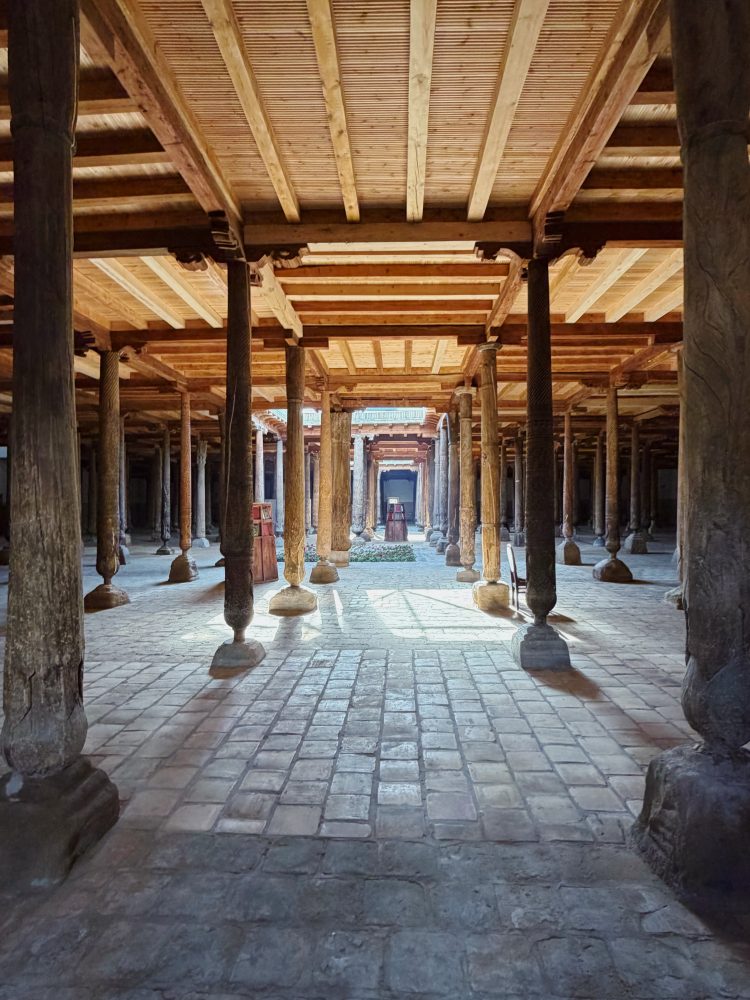
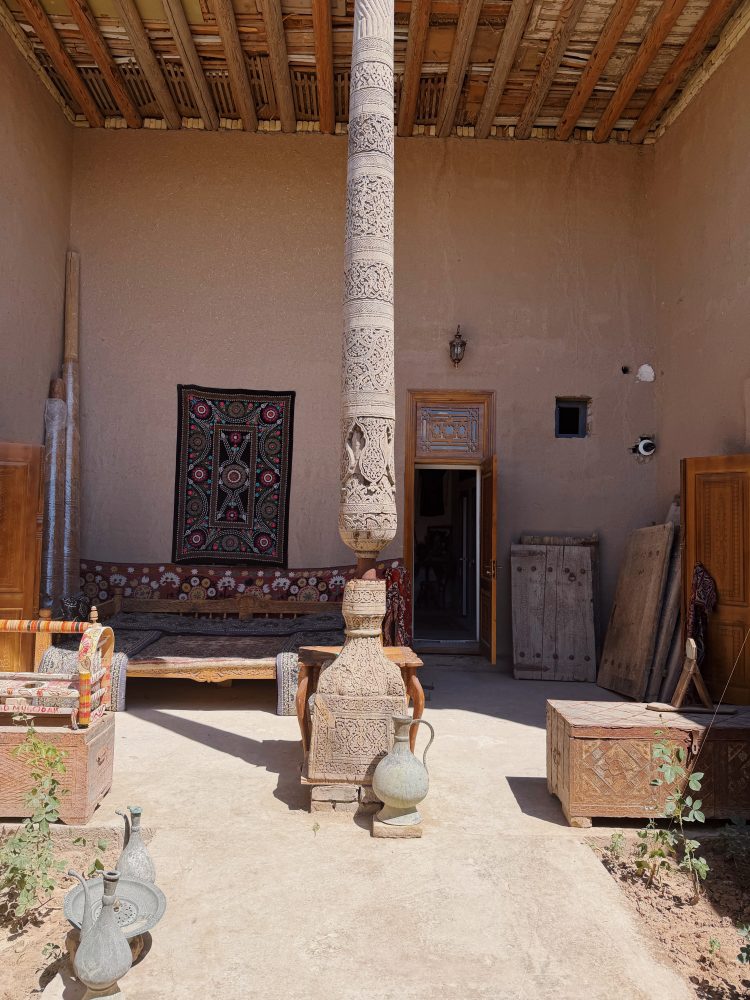
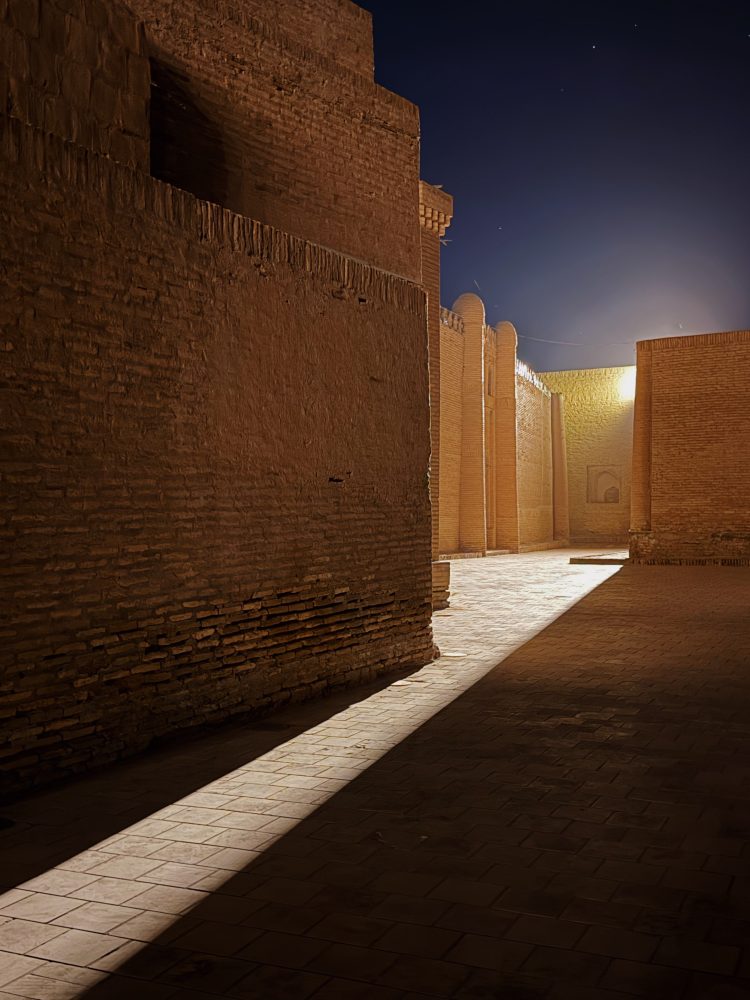
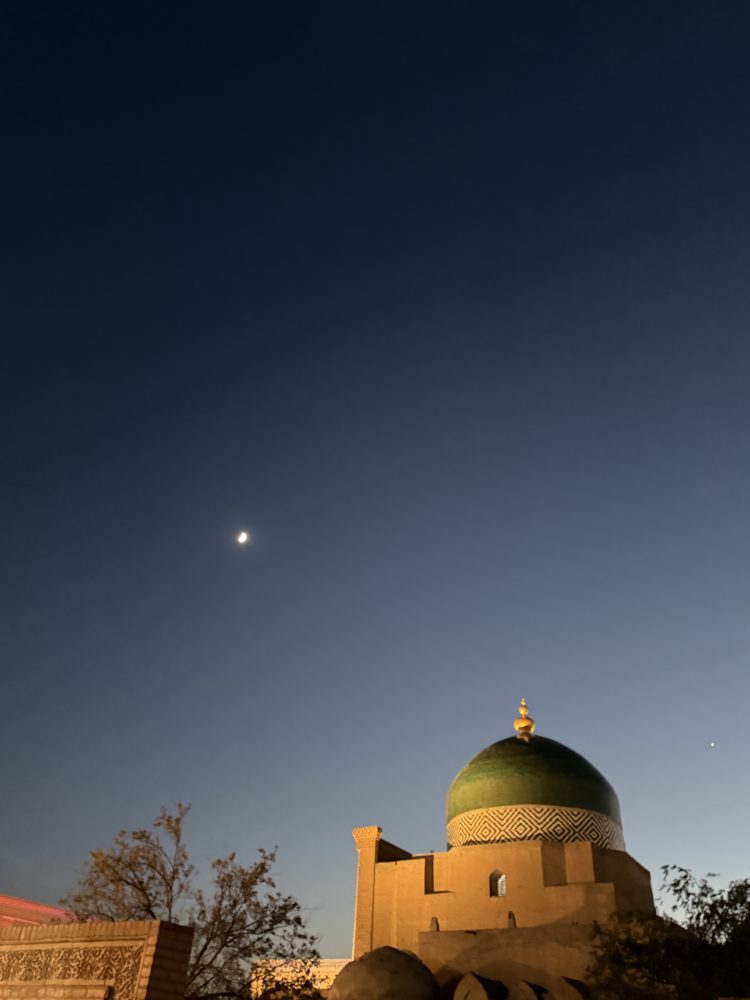
As dusk began to settle over Khiva, the city revealed an even more magical side. The fading sunlight cast a warm golden glow across the ancient buildings, while the famous turquoise minarets shimmered with changing shades as the sky darkened. We spent the evening strolling through the peaceful lanes, camera in hand, soaking in the atmosphere while playing flute.
To conclude…
Reflecting on the trip, I realize it was far more than a tour of famous landmarks. It offered a unique opportunity to follow the paths once travelled by merchants, adventurers, and scholars along the Silk Road. Each destination left a distinct impression: Samarkand dazzled with its grandeur, Bukhara welcomed with its charm and character, and Khiva stood as a desert island – remarkably preserved window into history.
Even now, long after returning home, memories of the brilliant blue domes, timeless streets, and warm hospitality of the Uzbek people remain vivid in my mind. Visiting the Silk Road had been a lifelong dream, and the experience exceeded every expectation, leaving me with memories I will cherish for years to come.