Crafting Beauty: Dries Van Noten’s Vision Beyond Fashion
Few designers have shaped contemporary fashion with as much quiet authority as Dries Van Noten. Over
nearly four decades, the Belgian designer became renowned for combining conceptual rigor with emotional
sensitivity, creating collections that felt deeply personal while resonating across cultures and generations.
Today, with the opening of Fondazione Dries Van Noten, these principles extend beyond clothing into a
broader exploration of creativity, craftsmanship, and cultural exchange.
The Rise of Dries Van Noten
As one of the influential members of the celebrated Antwerp Six, Dries Van Noten helped bring Belgian
fashion to international prominence during the 1980s. Yet even among such a groundbreaking group, he
distinguished himself through a more understated approach, earning recognition for designs that balanced
artistic expression with meticulous craftsmanship.
Raised in a family connected to the clothing industry, Van Noten developed an early appreciation for textiles
and garment making. After graduating from Antwerp’s Royal Academy of Fine Arts, he launched his
eponymous label in 1986. His collections soon attracted international attention for their ability to unite refined
tailoring with rich decorative elements.
Rather than pursuing fleeting trends, Van Noten cultivated a distinctive design language defined by luxurious
fabrics, unexpected color combinations, intricate embellishments, and references drawn from art, history,
travel, and nature. This commitment to originality established his brand as one of the fashion industry’s most
respected independent houses.
A Master of Contrast
One of Van Noten’s greatest strengths has been his ability to create clothing that is both expressive and
wearable. Throughout his career, his collections explored the tension between contrasting ideas: masculine
and feminine, opulence and restraint, tradition and modernity. From intricately embroidered eveningwear to
precisely tailored silhouettes, his work consistently treated fashion as a form of cultural and personal
expression rather than mere spectacle.
In 2024, Van Noten stepped down as creative director of the brand he founded, bringing a significant chapter
in contemporary fashion to a close. After decades spent navigating the demands of the fashion calendar, he
turned his attention toward new creative pursuits. Rather than withdrawing from public life, he began exploring
ways to support artistic practice beyond the boundaries of fashion itself.
A New Cultural Vision in Venice
One of Van Noten’s most ambitious projects since leaving the runway is the Fondazione Dries Van Noten, a
non-profit cultural organization established with his longtime partner, Patrick Vangheluwe. Located within the
historic Palazzo Pisani Moretta on Venice’s Grand Canal, the foundation serves as a platform for
craftsmanship across disciplines, including fashion, art, design, architecture, jewelry, ceramics, glassmaking,
gastronomy, and emerging creative fields.
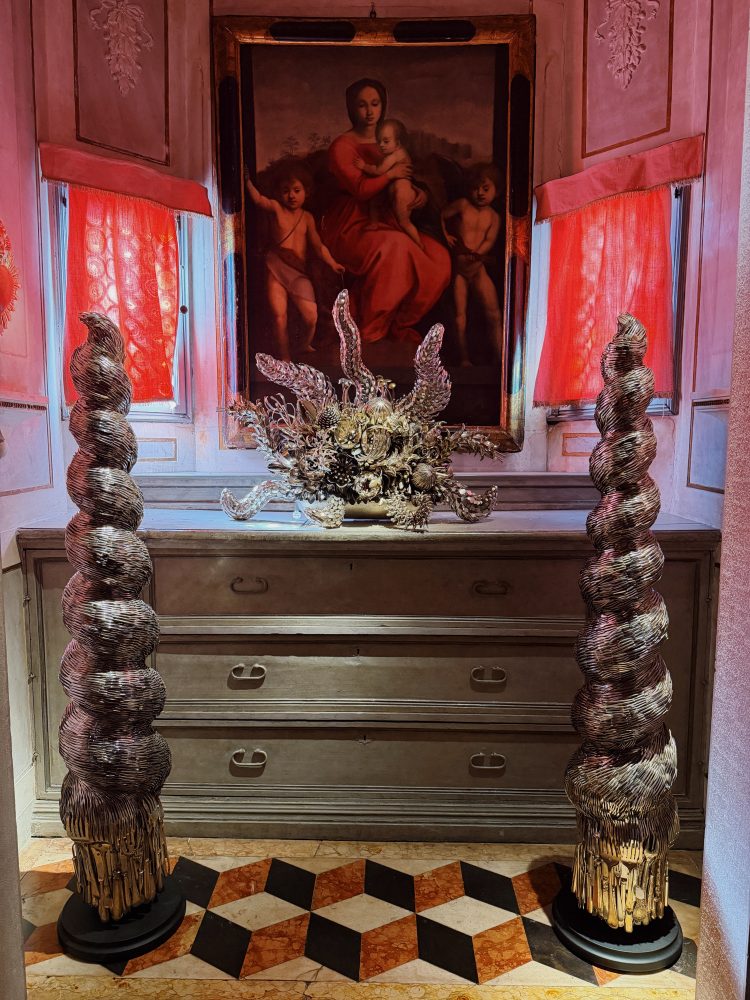
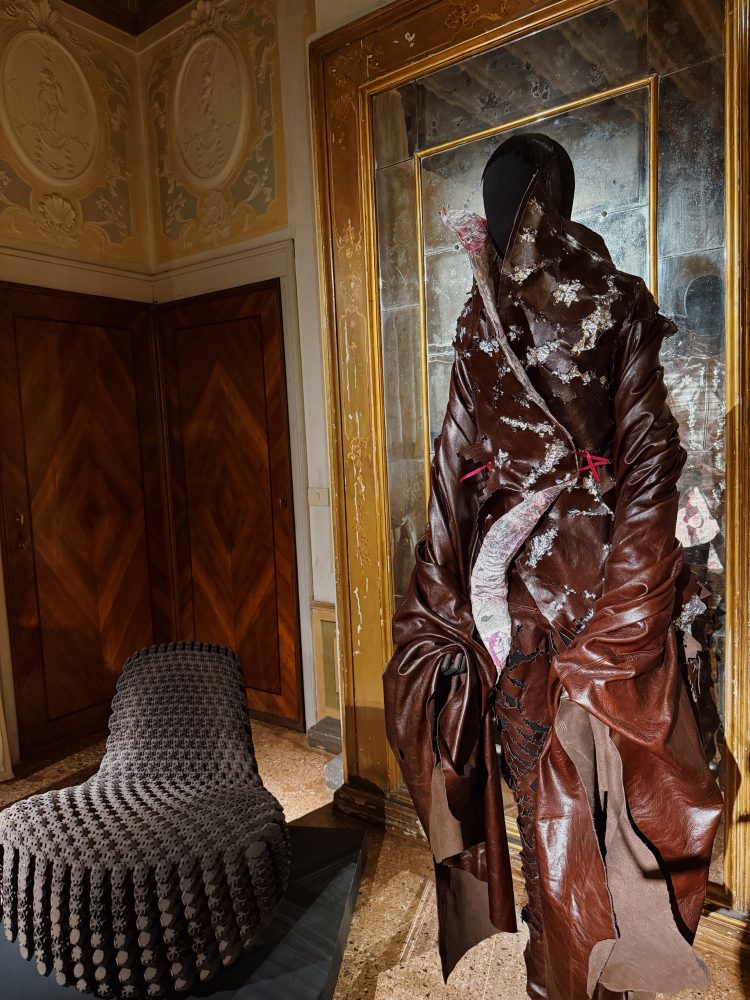
Venice was a deliberate choice. Rather than viewing the city solely through the lens of its past, Van Noten has described it as a living center of artistic exchange and creative energy. The foundation aims to foster dialogue between established practitioners and emerging talents while emphasizing the enduring relevance of skilled making in an increasingly digital world.
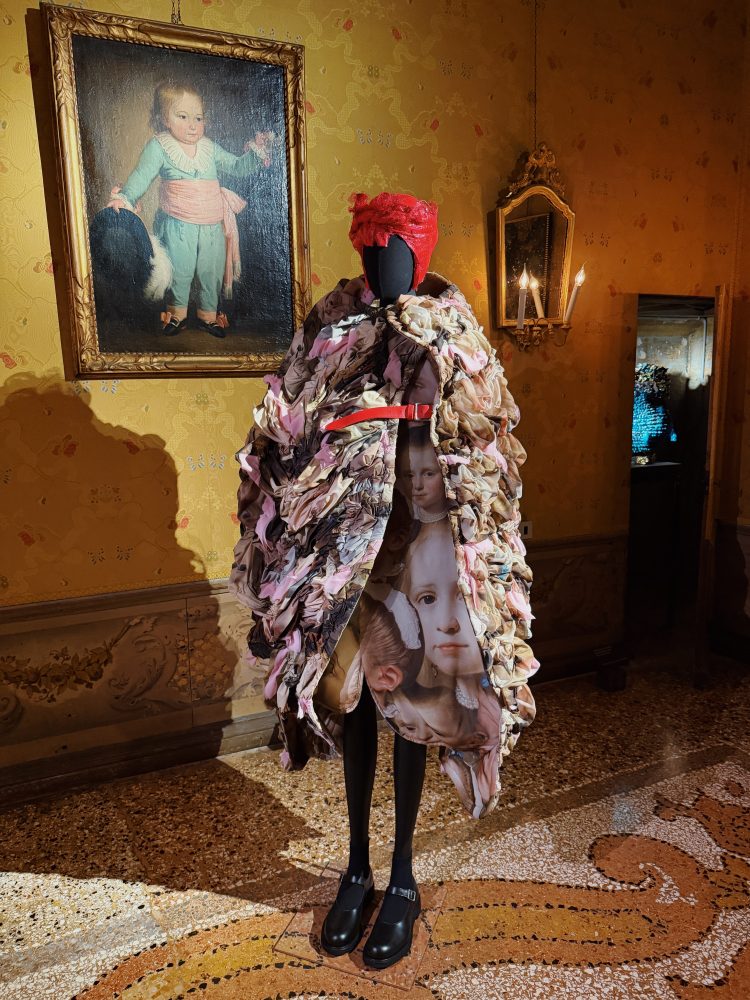
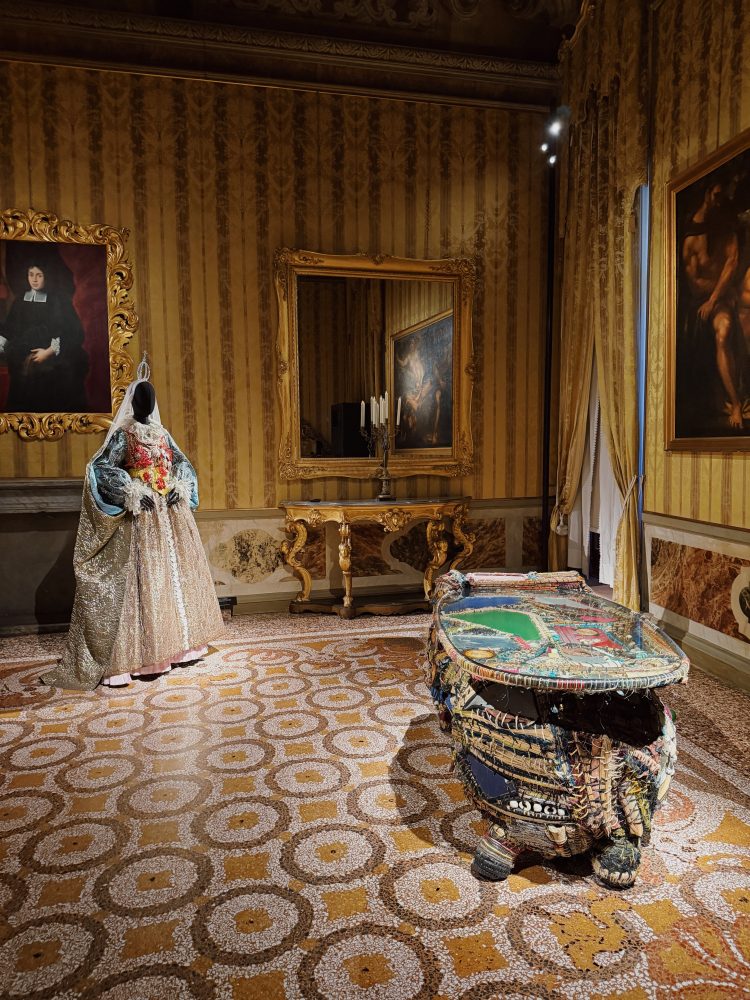
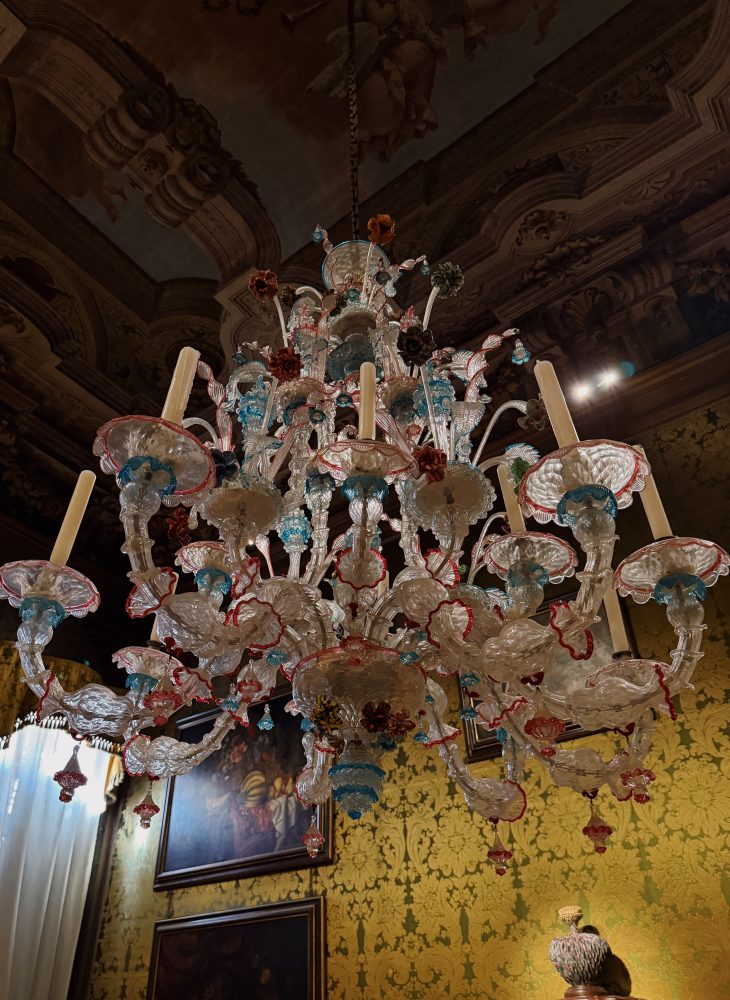
The setting itself is integral to the foundation’s identity. Dating from the fifteenth century and known for its
ornate interiors, frescoes, chandeliers, and artistic heritage, Palazzo Pisani Moretta offers an environment
where historical and contemporary works coexist. Instead of transforming the building into a conventional
gallery space, the foundation embraces its architectural character, encouraging a dialogue between
contemporary creation and centuries-old craftsmanship. This interaction between heritage and innovation lies
at the core of the institution’s vision.
“The Only True Protest Is Beauty”
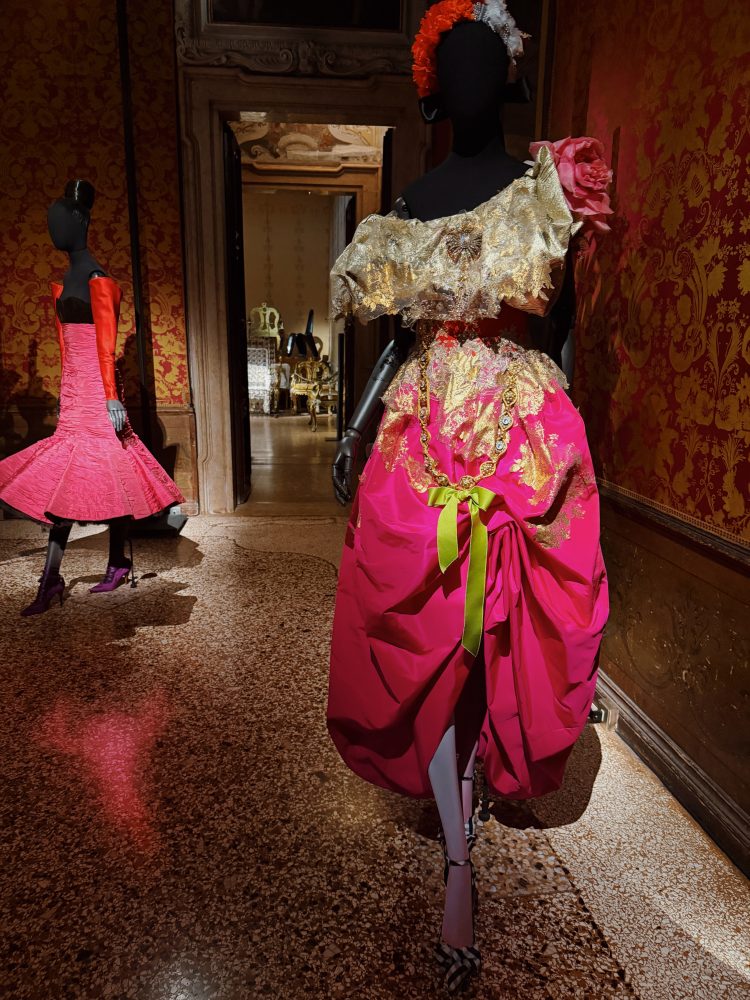
The foundation’s inaugural exhibition, The Only True Protest Is Beauty, was curated by Dries Van Noten
alongside his longtime collaborator Geert Bruloot. Borrowing its title from a phrase commonly attributed to
American singer-songwriter and activist Phil Ochs, the exhibition presents beauty not simply as an aesthetic
pursuit but as a catalyst for reflection, dialogue, and cultural engagement.
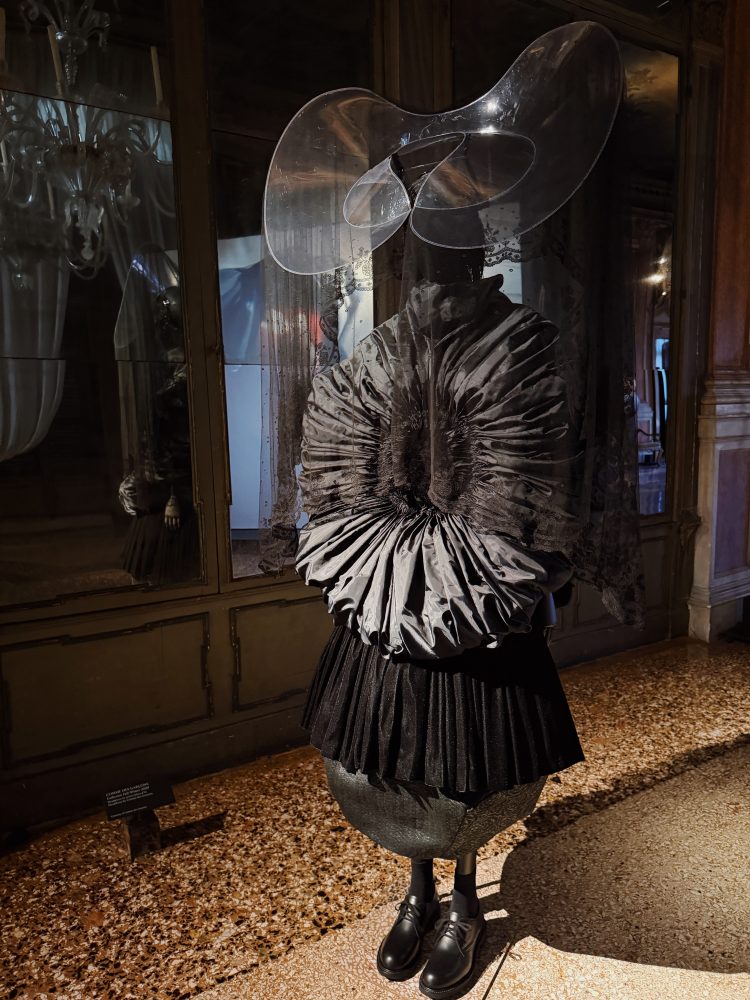
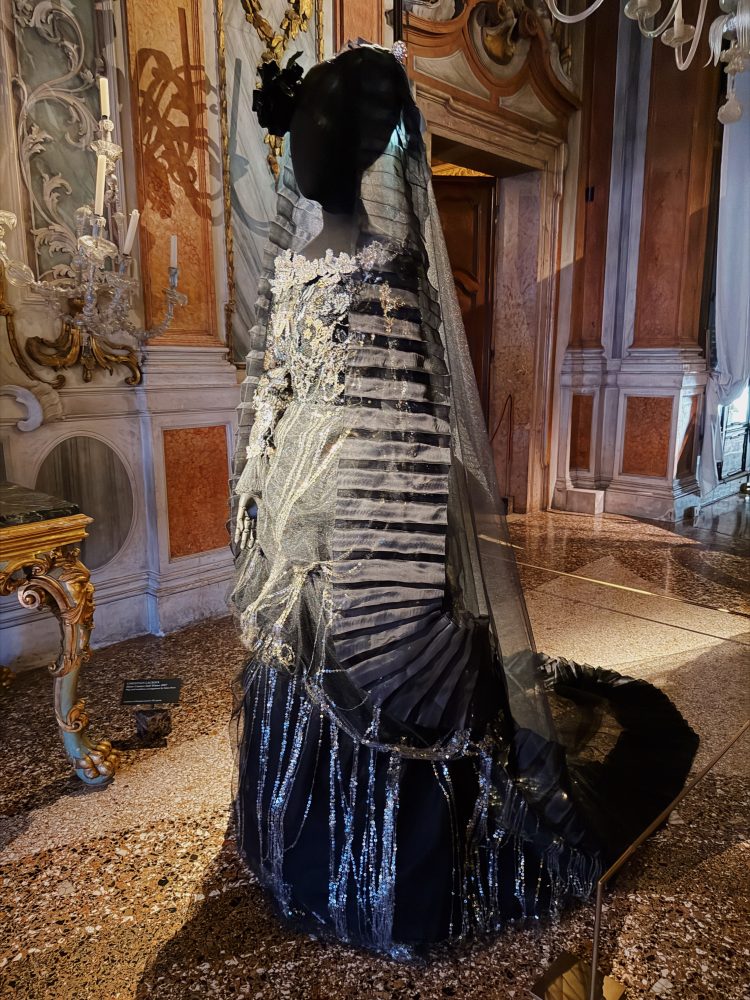
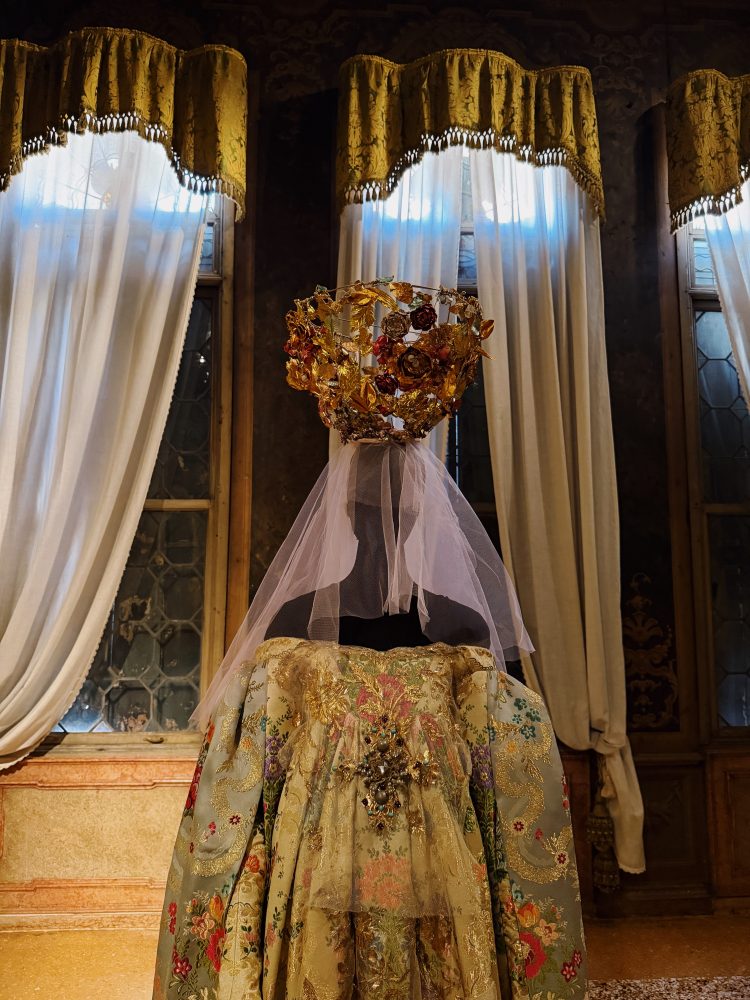
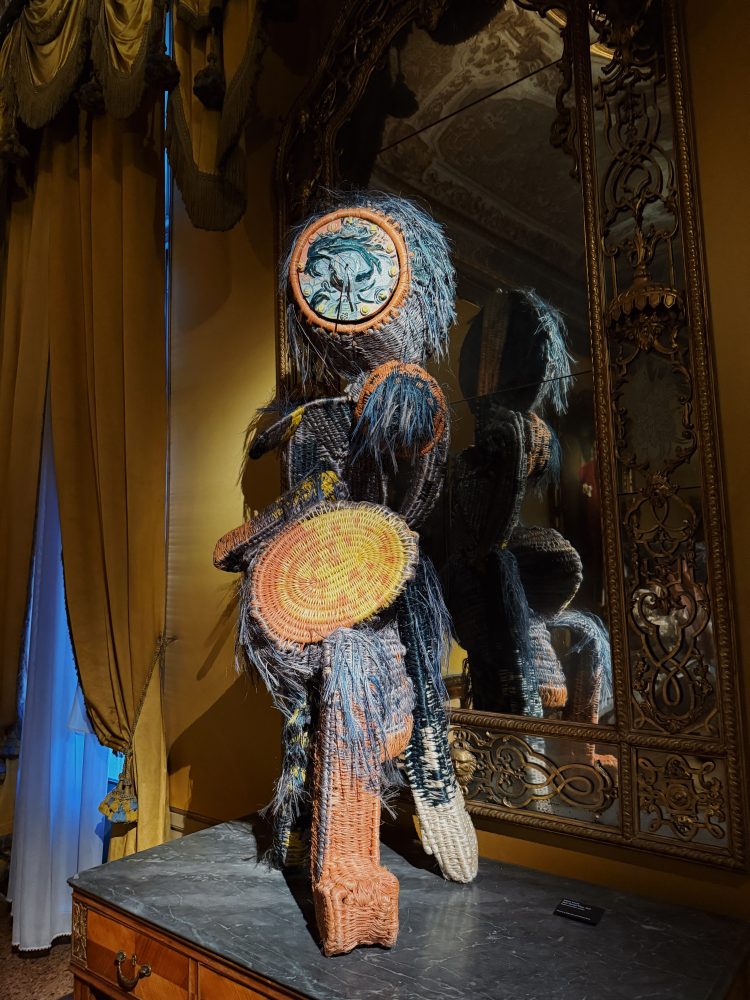
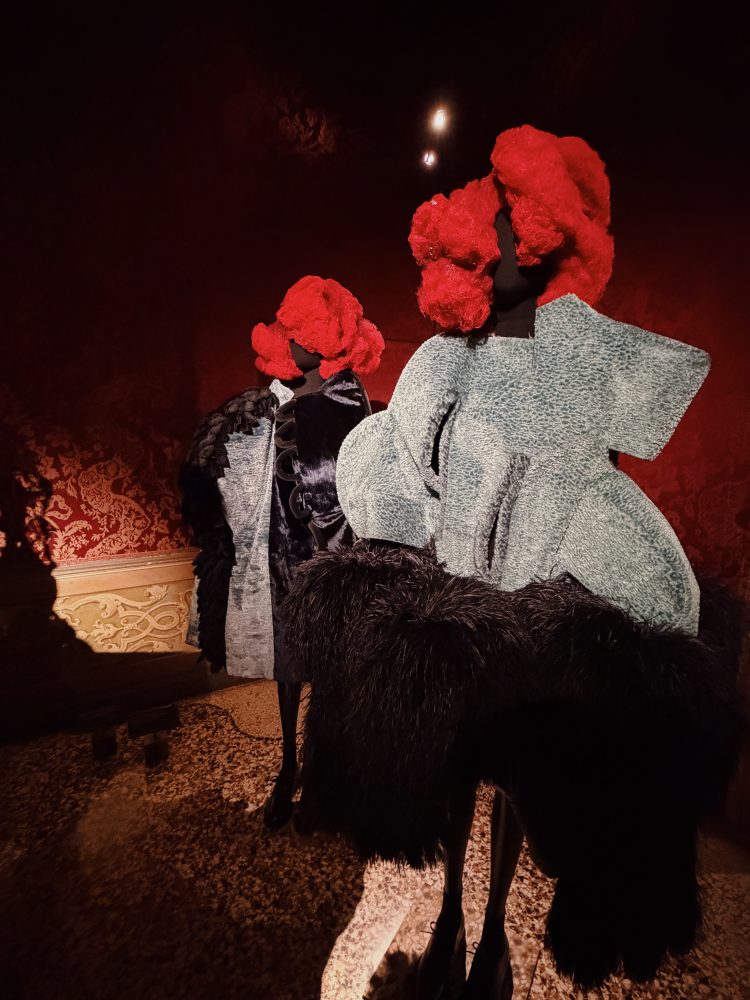
Spanning nearly twenty rooms of Palazzo Pisani Moretta, the exhibition brings together more than 200 works
from a wide range of disciplines. Fashion, photography, jewelry, glassmaking, ceramics, sculpture, design,
and experimental material-based practices are presented in conversation with one another, encouraging
visitors to discover unexpected connections across traditional artistic categories.
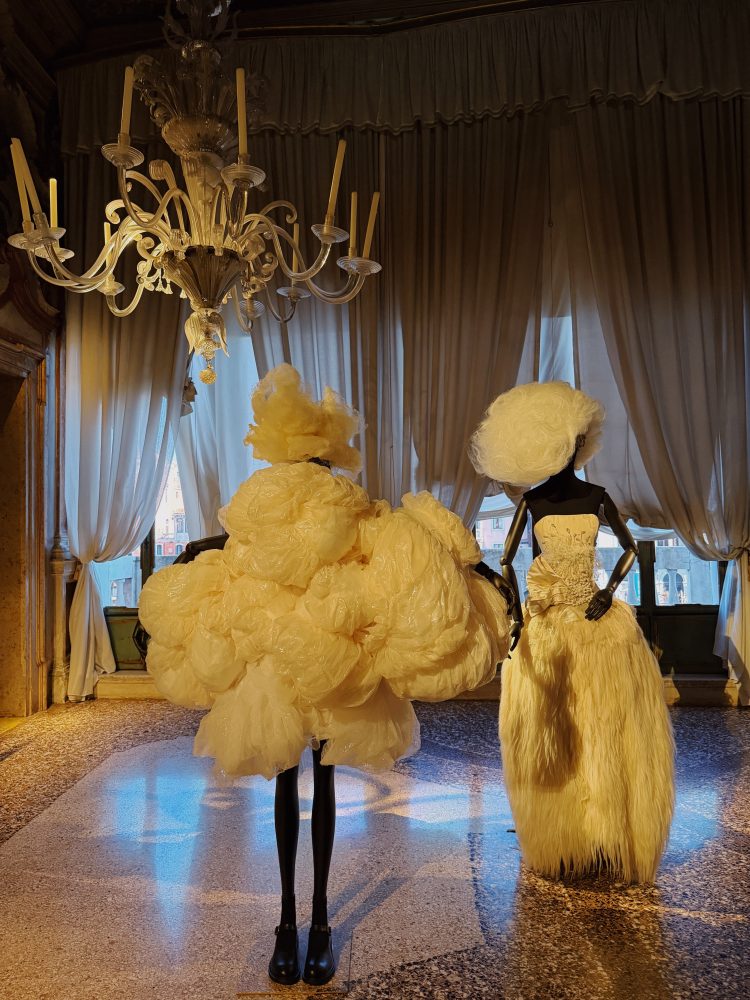
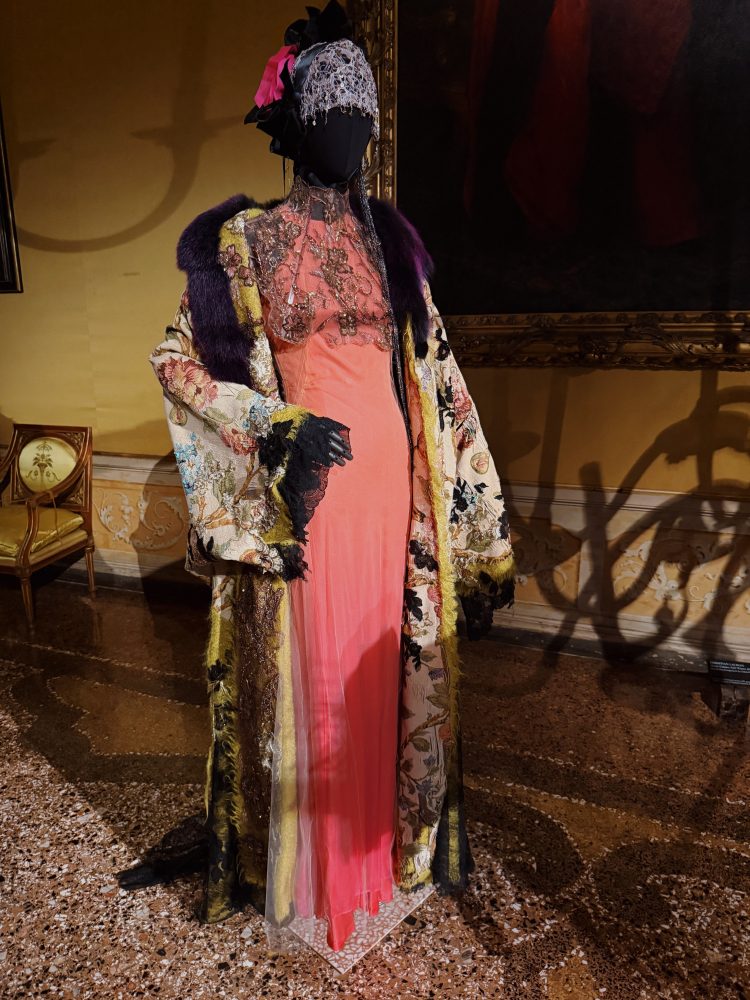
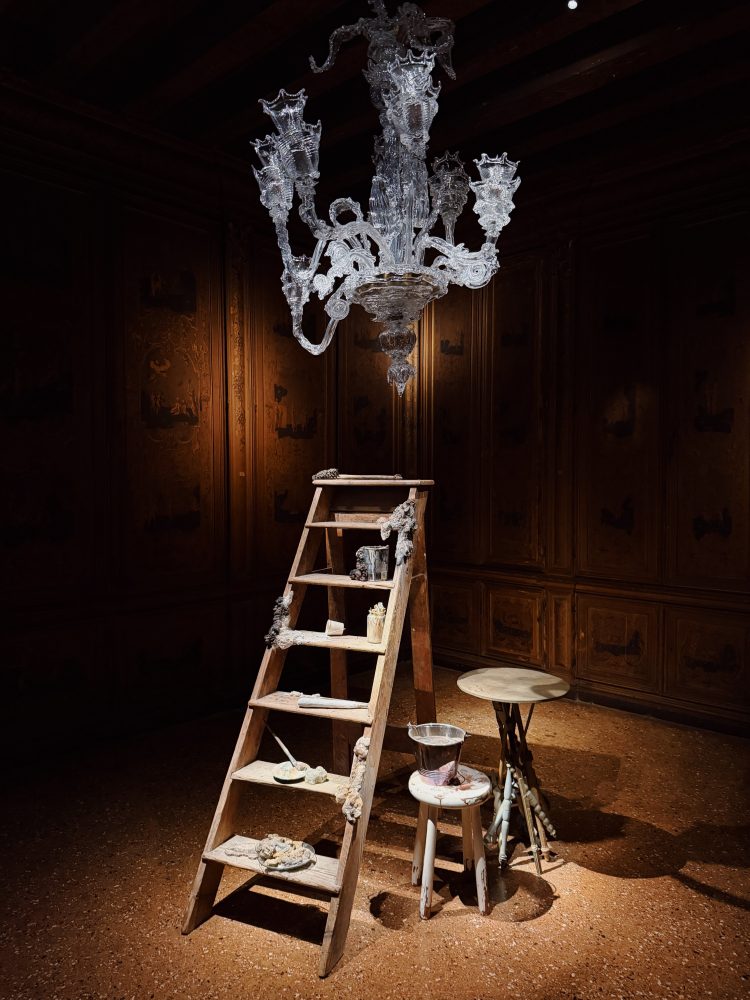
Rather than adhering to a conventional exhibition format, the presentation offers an immersive experience that
reveals how creative ideas evolve through experimentation, material exploration, and technical expertise.
Several installations place as much emphasis on process as on finished objects, inviting visitors to consider
the skill, dedication, and time invested in each work.
At its core, the exhibition celebrates the role of the maker, highlighting the human effort behind creative
production. In doing so, it reflects a belief that craftsmanship remains both culturally significant and highly
relevant, not as a nostalgic practice but as a source of innovation and meaningful exchange.
A Legacy Beyond Fashion
The opening of Fondazione Dries Van Noten suggests that the designer’s influence is entering a new phase
rather than drawing to a close. While fashion established his reputation, his broader legacy lies in
championing curiosity, artistic dialogue, and thoughtful creation.
With this new foundation in Venice, Van Noten has created a platform where artists, designers, makers, and
audiences can engage across disciplines and generations. In many ways, the project reflects the values that
have characterized his work from the beginning: a respect for craftsmanship, an openness to cultural
exchange, and a belief that beauty, when approached with depth and intention, can remain a powerful force
within contemporary culture.